Kowhaiwhai
Design (Kowhaiwhai)
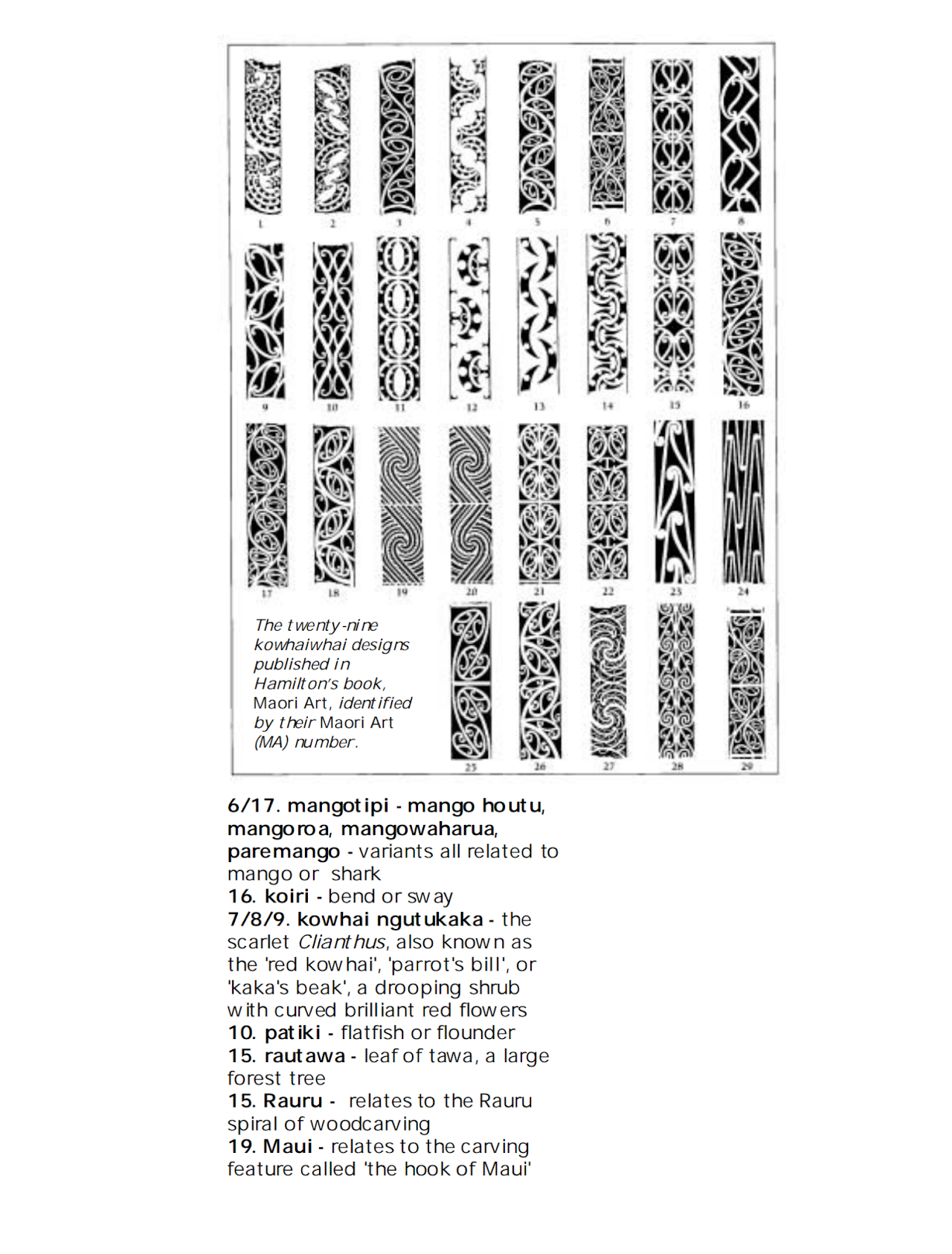
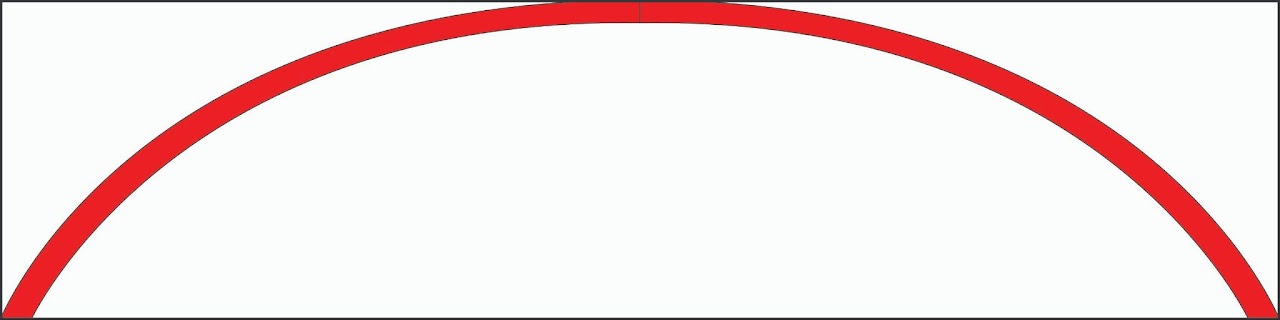
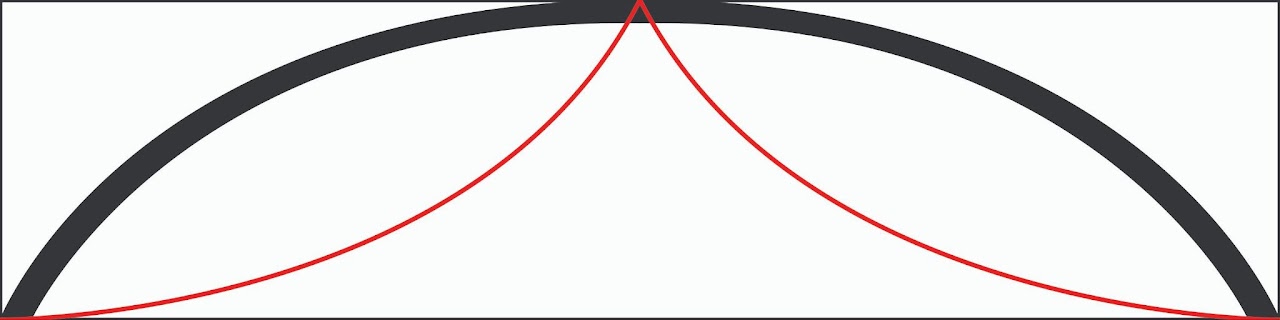
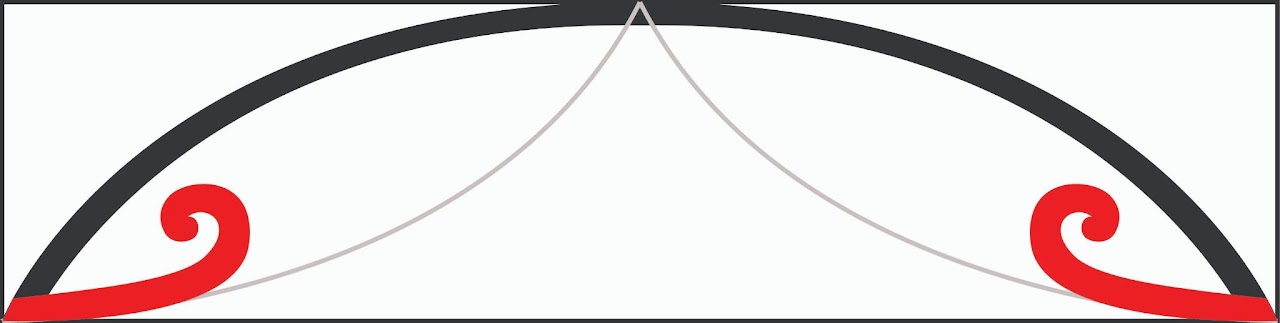
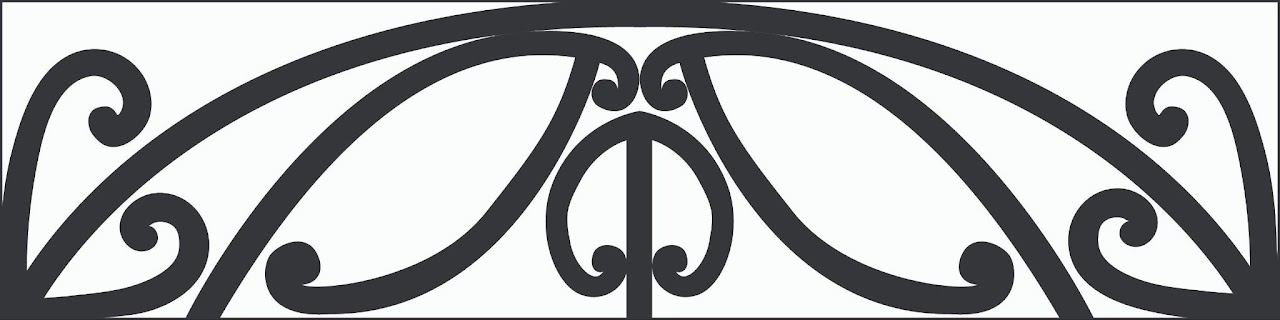
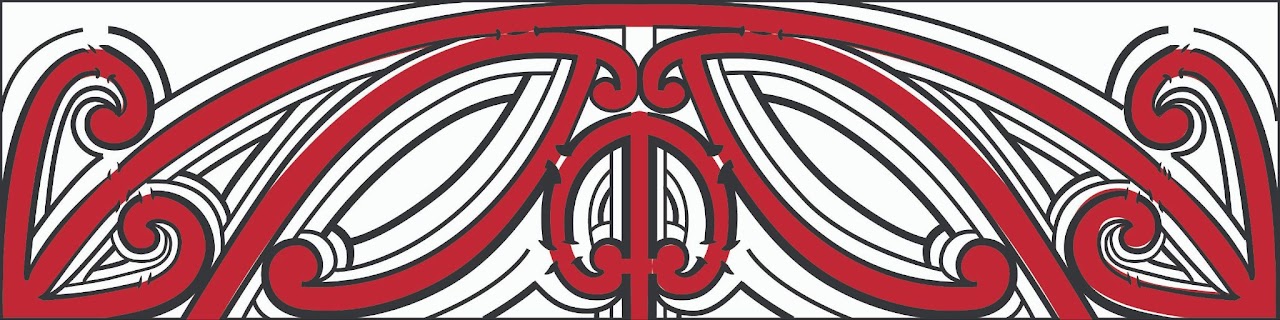
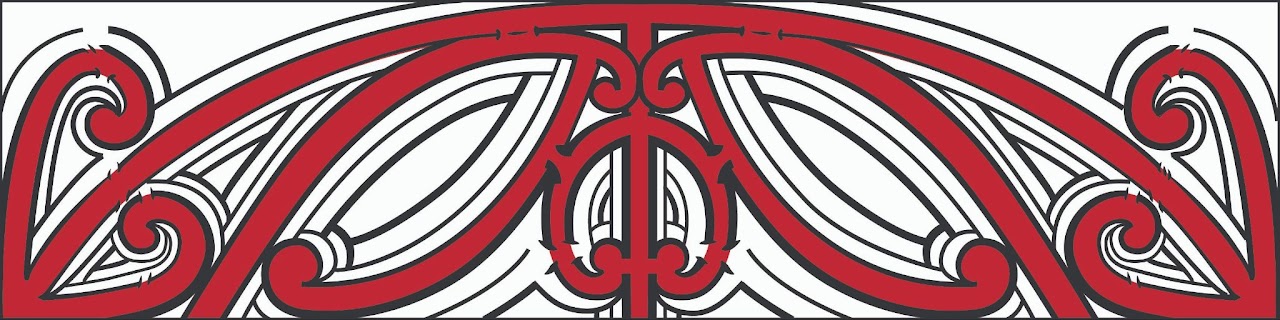
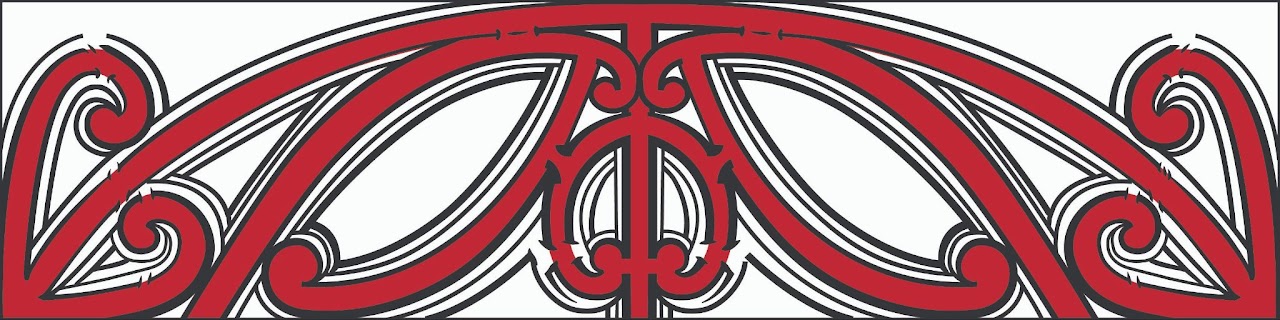
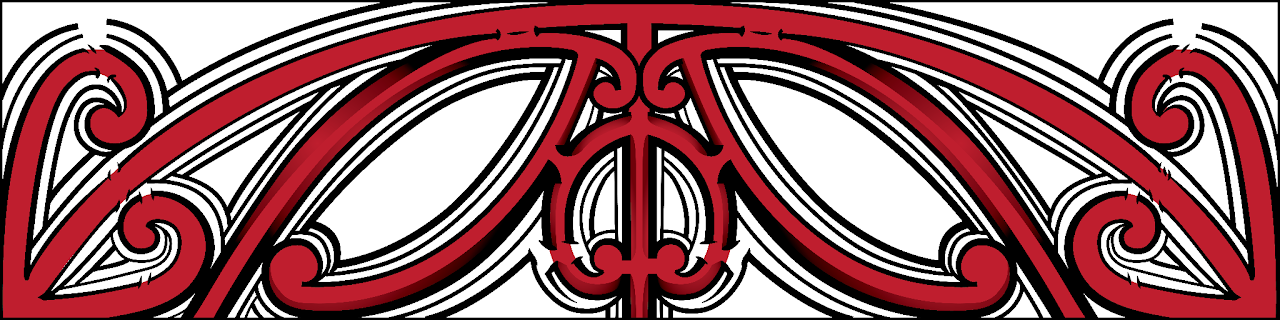
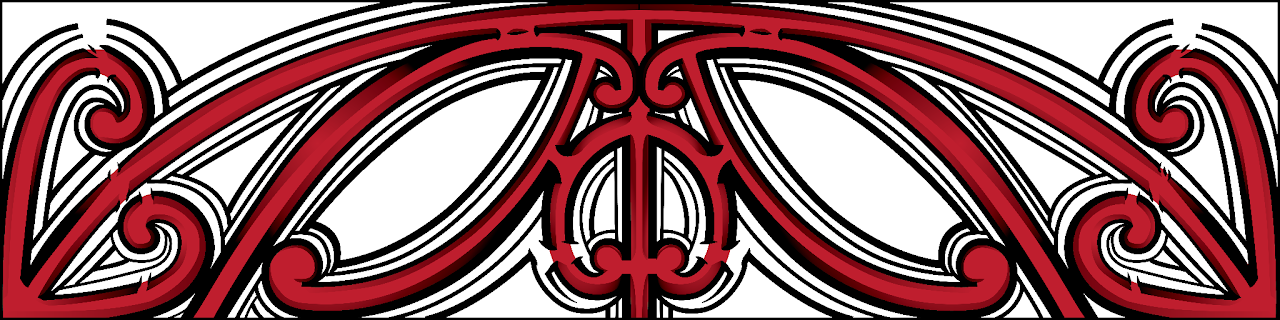
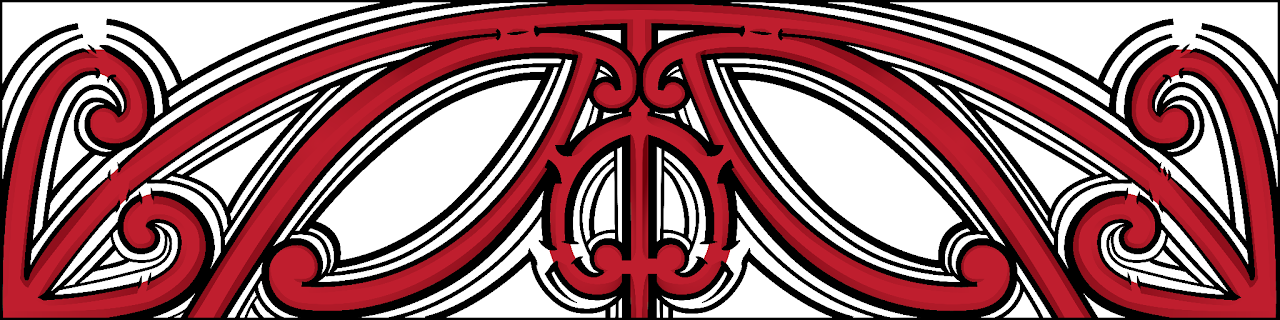
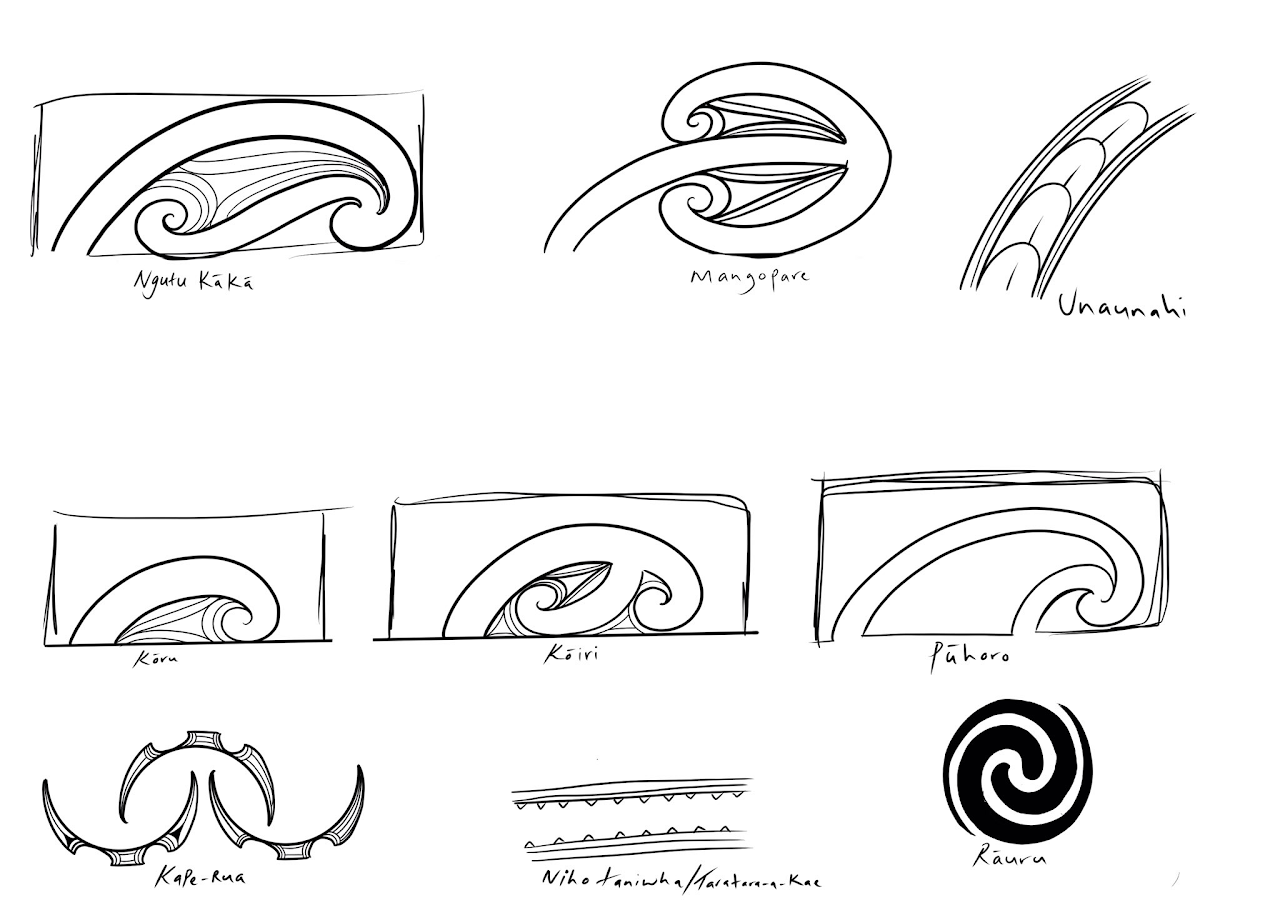
Kowhaiwhai patterns are a unique form of visual storytelling in Māori art and design. They use repeated motifs, curves, and symmetry to convey meaning, whakapapa (genealogy), and connection to the land. In your design work, use Kowhaiwhai to explore rhythm, repetition, and cultural narrative. Analyse the shapes and their symbolism, and experiment with how they can be integrated into modern design projects.
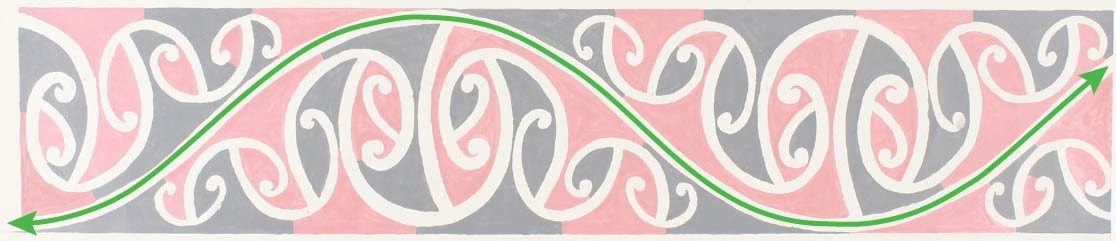
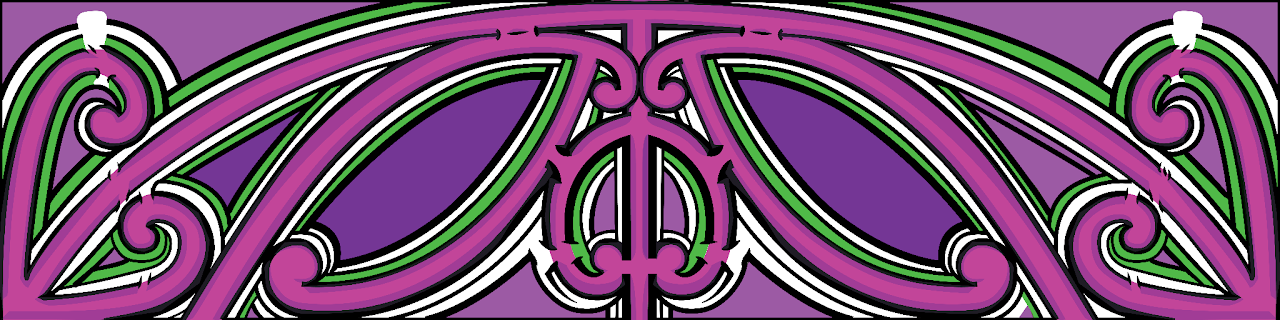
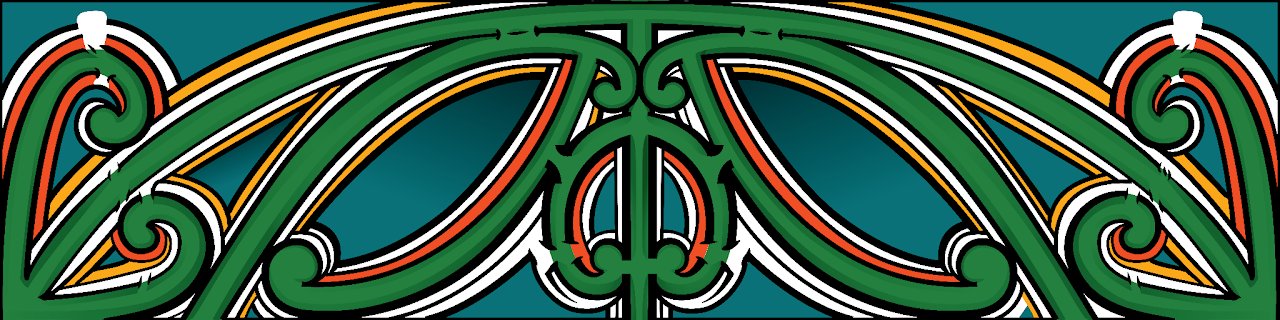
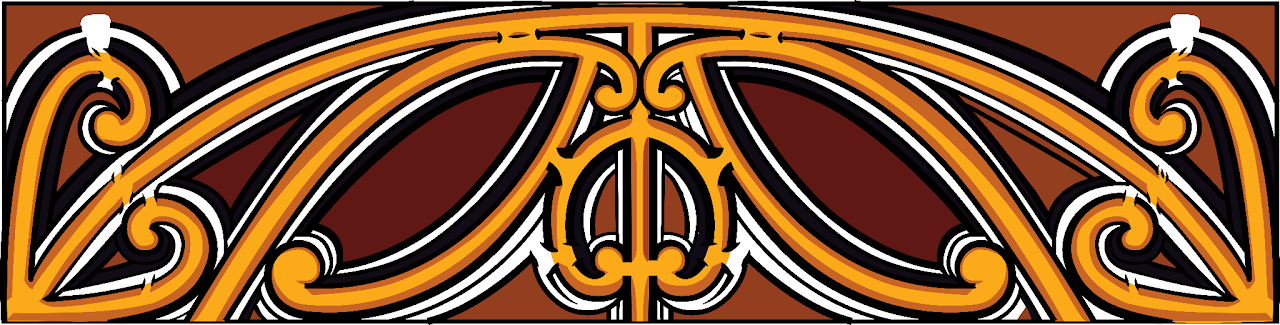
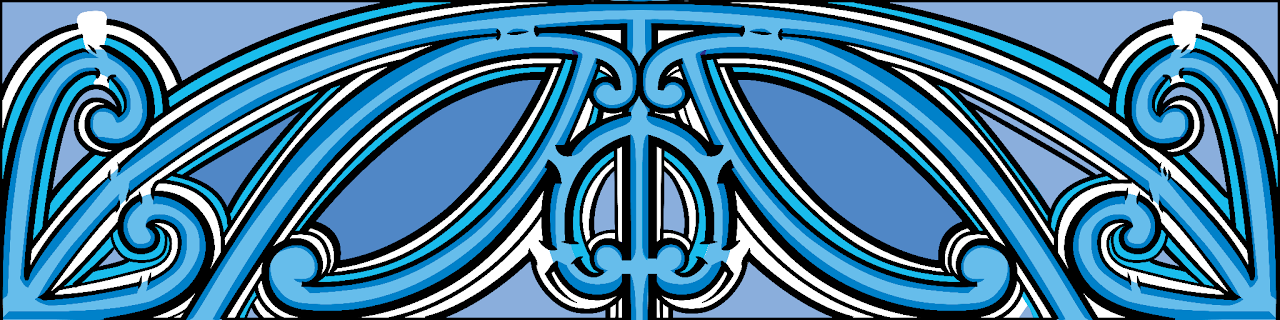

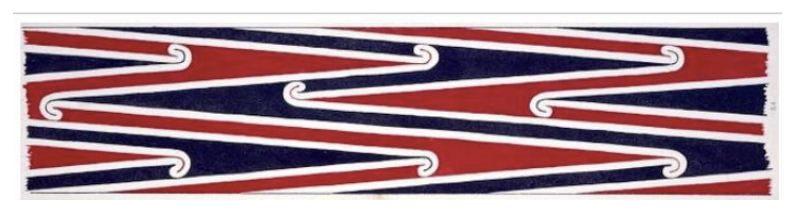
Puhoro – Found predominantly on waka indicating speed, agility, and water skill. Reminiscent of folded fishing nets. One of the few kōwhaiwhai patterns that uses straight lines.
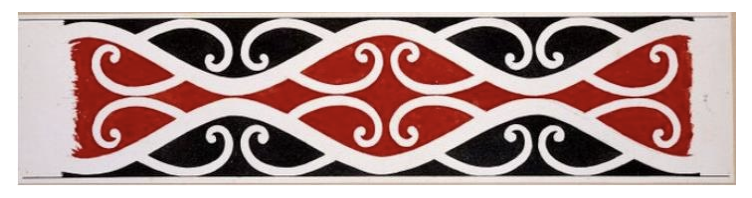
Pātikitiki- Flounder shape, symbolic of kai moana, the sea, the availability of food, fertility…it is also a tukutuku pattern with similar associations.
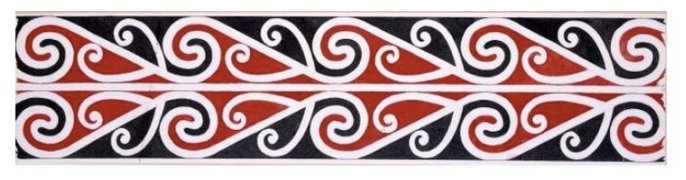
Ngaru – Relates to the sea with the koru = symbolic of the white caps of the waves.
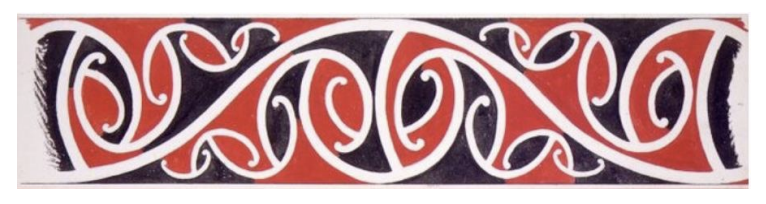
Mangōpare – Symbolic of the hammerhead shark representing courage, determination and strength.
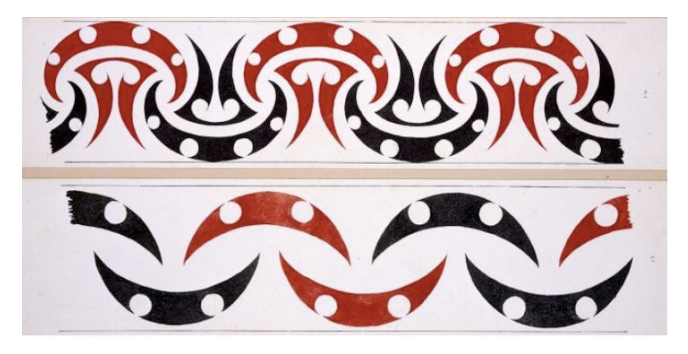
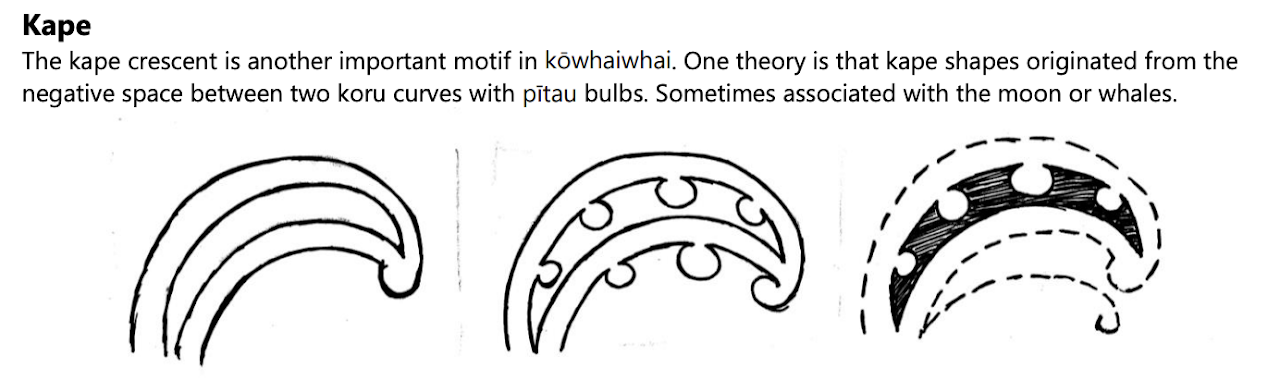
Ngutu kura - The red beak of the parrot, associated with oral ability, speech, song. It can also suggest a relationship with the moon, seasons, times of month and for some whales. In these examples the kape is repeated with the beak section extended from the inner side.
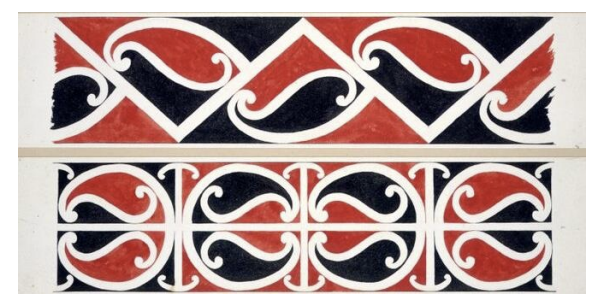
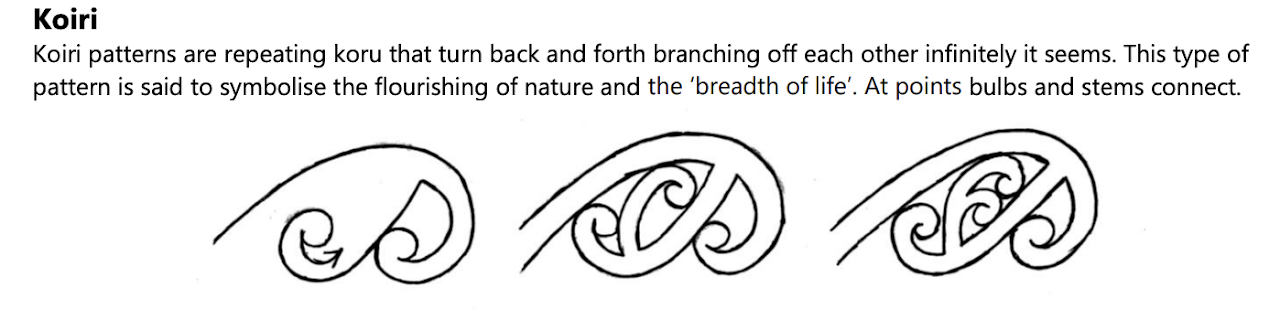
Kōwhai ngutu kākā - Often has a central line dividing the pattern into distinct sections. Flowers of the kākā - beak span each side, the fronds stylised into looped back koru. The main motif is usually linked to the centre line by the stem.
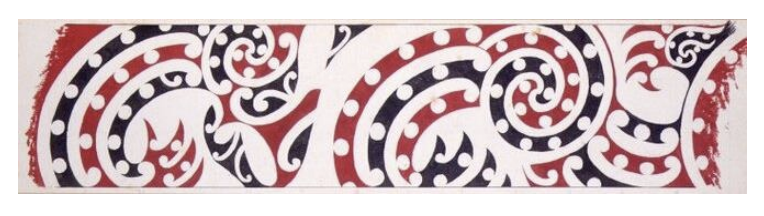
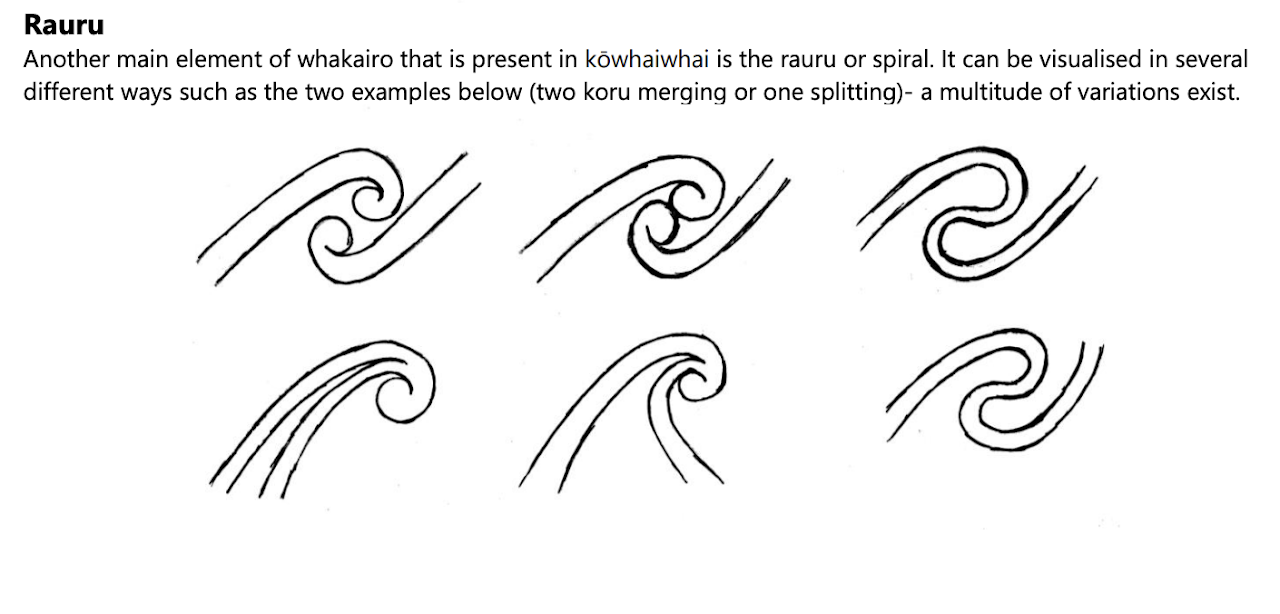
Pītau a Manaia - This design combines the pītau and manaia shapes. If you look carefully you will see rauru also.