Narrative Development

Research Example 2

Narrative Development
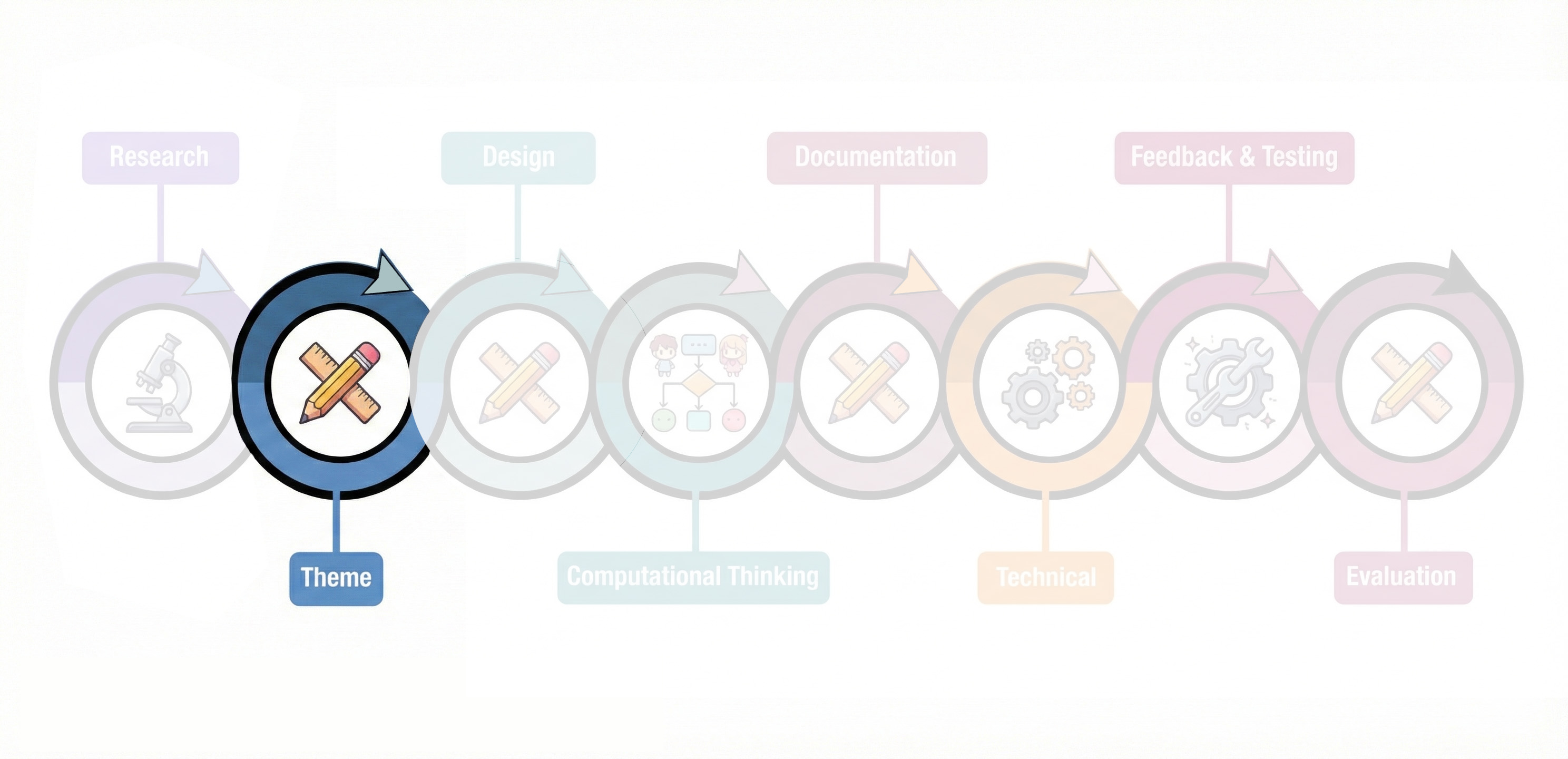
Craft a compelling story that drives your project forward. Use narrative structure to create emotional impact. Develop characters, plot, and world-building elements that support your theme and engage your audience.


Like the examples of Lucas's Star Wars you don't have to 'Invent' a story from scratch & if you don't have a story in mind, Project Gutenberg has copyright free stories that you can use as inspiration.
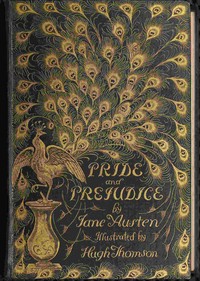
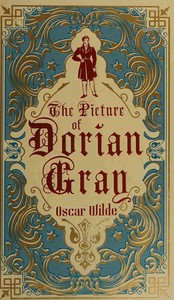
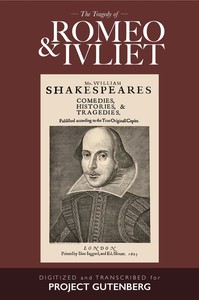
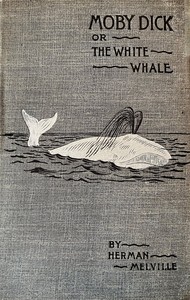
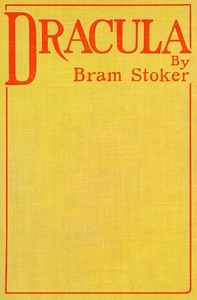
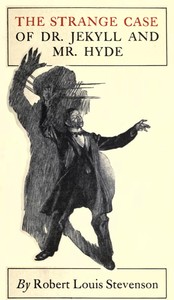
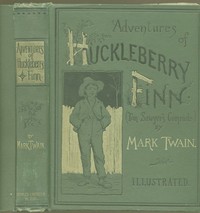
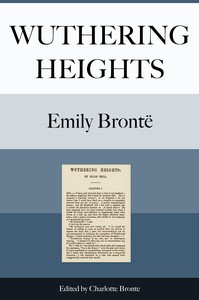
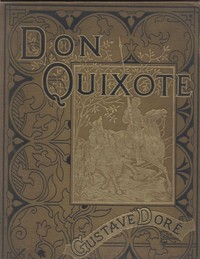
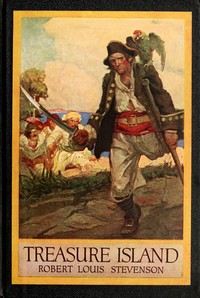
Pride and Prejudice by Jane Austen is a novel published in 1813. It follows Elizabeth Bennet, who must learn to see past first impressions and hasty judgments. With five daughters and an estate that can only pass to male heirs, the Bennet family faces financial pressure to marry well. When wealthy Mr. Darcy arrives in their countryside neighborhood, his pride and Elizabeth's prejudice set the stage for misunderstandings, hidden truths, and unexpected revelations about character and love. Read it at Project Gutenberg: https://www.gutenberg.org/ebooks/1342.html.images by Oscar Wilde is a philosophical fiction and Gothic horror novel published in 1890. When a beautiful young man wishes that his portrait would age instead of himself, his desire becomes terrifyingly real. As Dorian pursues a life of pleasure and moral corruption, he remains eternally youthful while his painted image transforms into a horrifying record of his sins. Wilde explores beauty, morality, and the dangerous influence of hedonistic philosophy in this tale of vanity and its consequences. Read it at Project Gutenberg: https://www.gutenberg.org/ebooks/174.html.images by William Shakespeare is a tragedy written between 1591 and 1595. Two young lovers from feuding Italian families meet and fall secretly in love in Verona. Their forbidden romance leads them to marry in secret with a friar's help, hoping to unite their warring households. But family hatred, violent duels, and tragic misunderstandings threaten to destroy their bond. This tale of star-crossed lovers has become the archetypal story of young love and remains one of Shakespeare's most frequently performed plays. Read it at Project Gutenberg: https://www.gutenberg.org/ebooks/1513.html.images by Jacob Grimm and Wilhelm Grimm is a German collection of fairy tales first published in 1812. Beginning with 86 stories and eventually expanding to 210 tales across seven editions, this seminal work transformed oral folklore into written literature. The brothers collected stories from friends, acquaintances, and old books to preserve German cultural history. What started as a scholarly project evolved through decades of revisions, with tales added and removed, content adjusted for young readers, and illustrations incorporated to become a cornerstone of Western children's literature. Read it at Project Gutenberg: https://www.gutenberg.org/ebooks/2591.html.images by Herman Melville is an epic novel published in 1851. Sailor Ishmael narrates the obsessive quest of Captain Ahab, who commands the whaling ship Pequod in pursuit of Moby Dick, a giant white sperm whale that destroyed his leg. Ahab's monomaniacal hunt for vengeance drives the ship and its diverse crew across the world's oceans, blending realistic whaling details with profound explorations of good, evil, fate, and human nature in this cornerstone of American literature. Read it at Project Gutenberg: https://www.gutenberg.org/ebooks/2701.html.images by Wallace Notestein is a historical account written in the early 20th century. This detailed analysis explores the phenomenon of witchcraft in England during a significant period of English history, investigating societal beliefs, trials, and their implications across different social strata. The text aims to present a pure narrative of witch trials while also addressing the politics and public perceptions surrounding such events. The opening of the work introduces Notestein's methodology and scope, highlighting the necessity for a chronological exploration of significant witch trials and the pervasive misinformation that has surrounded the topic. The author aims to correct historical inaccuracies and provide a thorough examination of how witchcraft beliefs were intertwined with the social and political fabric of the time. Notestein shares his intentions to synthesize various sources, and notes the historical context starting from the rise of witchcraft legislation under Queen Elizabeth I, emphasizing an urgency to confront the complexities of legal and societal responses to witchcraft across the specified time frame. Read it at Project Gutenberg: https://www.gutenberg.org/cache/epub/31511/pg31511-images.html by Robert Louis Stevenson is a Gothic horror novella published in 1886. When London lawyer Gabriel John Utterson investigates strange occurrences involving his old friend Dr. Henry Jekyll and a murderous criminal named Edward Hyde, he uncovers a disturbing mystery. This defining work of Gothic horror explores the duality of human nature and has profoundly influenced popular culture, making 'Jekyll and Hyde' synonymous with hidden evil beneath respectable appearances. Read it at Project Gutenberg: https://www.gutenberg.org/ebooks/43.html.images by Mark Twain is a picaresque novel published in 1884-1885. Told in vernacular English, it follows young Huck Finn as he escapes his abusive father and flees down the Mississippi River with Jim, an enslaved man seeking freedom. Their journey brings encounters with feuding families, con artists, and moral dilemmas that challenge Huck's conscience. Set in the antebellum South, this sequel to 'Tom Sawyer' is celebrated for its portrayal of boyhood and its satirical examination of racism and society. Read it at Project Gutenberg: https://www.gutenberg.org/ebooks/76.html.images by Emily Brontë is a novel published in 1847. Set on the Yorkshire moors, it follows two landowning families and their turbulent relationships with Heathcliff, a mysterious foster son. Driven by obsessive love, possession, and revenge that spans generations, the story unfolds through dark passion and cruelty. This Gothic tale challenged Victorian morality with its depictions of abuse and class conflict, ultimately becoming a cornerstone of English literature despite its initially polarized reception. Read it at Project Gutenberg: https://www.gutenberg.org/ebooks/768.html.images by Mary Wollstonecraft Shelley is a Gothic novel published in 1818. It tells the story of Victor Frankenstein, a young scientist who creates a living creature from assembled body parts in an unorthodox experiment. When the creature awakens, Victor flees in horror, abandoning his creation. The conscious being must navigate a world that fears him, learning language and seeking connection, only to face repeated rejection. Embittered and alone, the creature confronts his creator with a desperate request that will set both on a dark path of vengeance and tragedy. Read it at Project Gutenberg: https://www.gutenberg.org/ebooks/84.html.images Don Quixote by Miguel de Cervantes Saavedra is a Spanish novel published in two parts in 1605 and 1615. Considered the first modern novel, it follows Alonso Quijano, a man who reads so many chivalric romances that he loses his mind and reinvents himself as the knight-errant Don Quixote. Accompanied by his earthy squire Sancho Panza, he embarks on misguided adventures, mistaking windmills for giants and inns for castles, determined to revive chivalry in a world that has moved on. Read it at Project Gutenberg: https://www.gutenberg.org/cache/epub/996/pg996-images.html Metamorphosis by Franz Kafka is a novella published in 1915. It tells the story of Gregor Samsa, a traveling salesman who wakes one morning to find himself inexplicably transformed into a monstrous insect. Trapped in his room and unable to work, Gregor struggles to adjust to his new body while his horrified family grapples with the burden of his existence. As Gregor adapts to his condition, the relationships within his household shift in unexpected and devastating ways. Read it at Project Gutenberg: https://www.gutenberg.org/cache/epub/5200/pg5200-images.html by Robert Louis Stevenson is an adventure novel published in 1883. When young Jim Hawkins discovers a mysterious treasure map in a dead pirate's sea chest, he sets sail with a crew to find Captain Flint's legendary buried gold. But aboard the ship Hispaniola lurks danger: the charming one-legged cook Long John Silver leads a band of mutinous pirates with their own deadly plans. On a remote island filled with treachery and violence, Jim must navigate shifting alliances and mortal threats to survive this perilous quest for fortune. Read it at Project Gutenberg: https://www.gutenberg.org/cache/epub/120/pg120-images.html

Story Shapes: The Kurt Vonnegut Framework


Download the Story Shapes Template

Use the template to plot your own story shapes and analyze the emotional journey of your characters.
Story Shapes Diagram
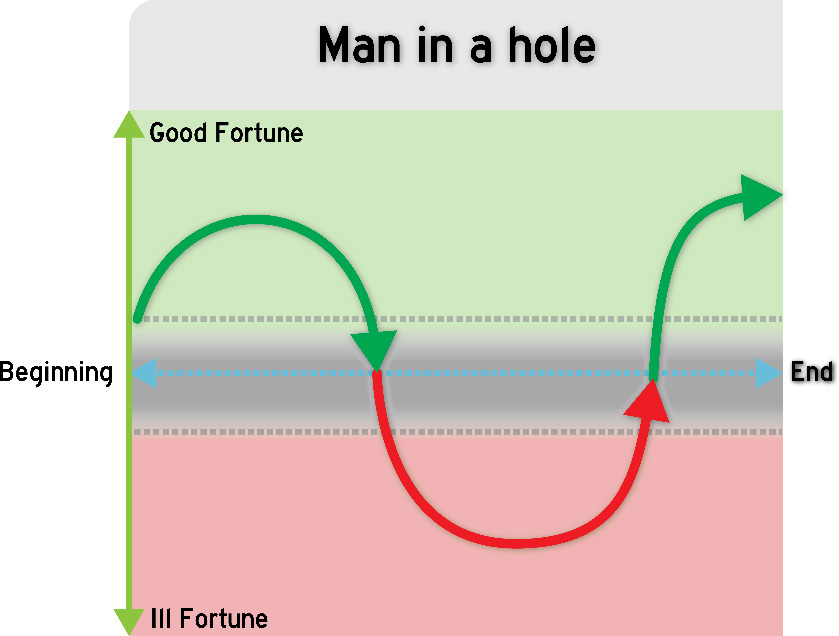
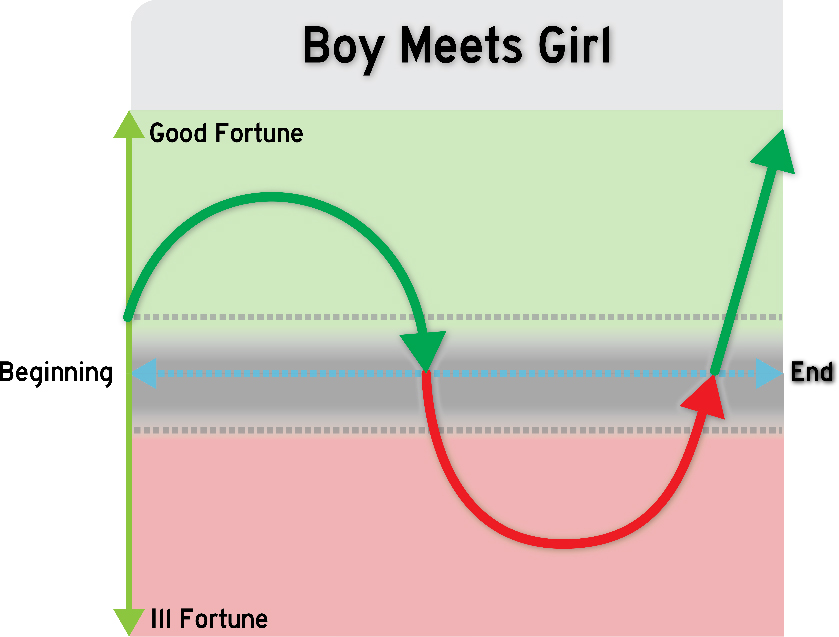
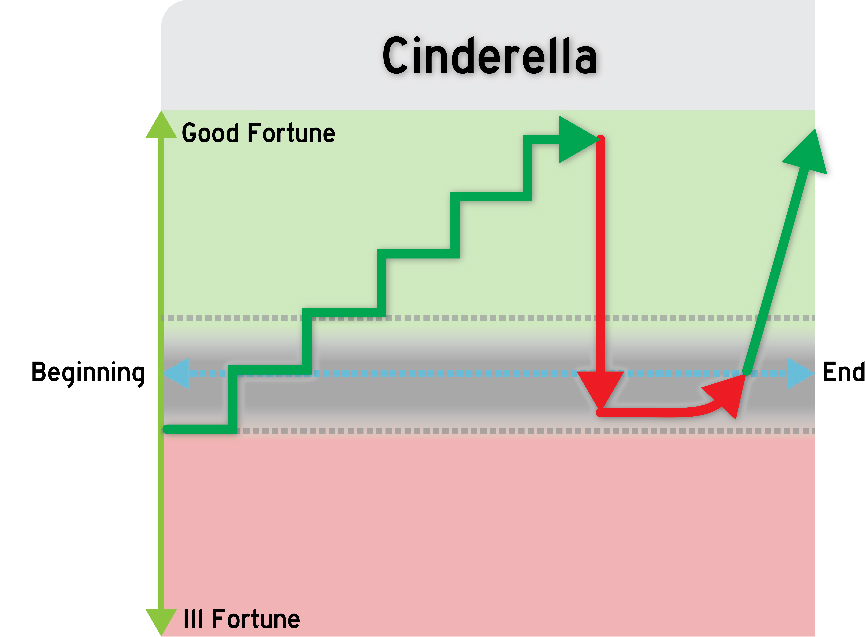
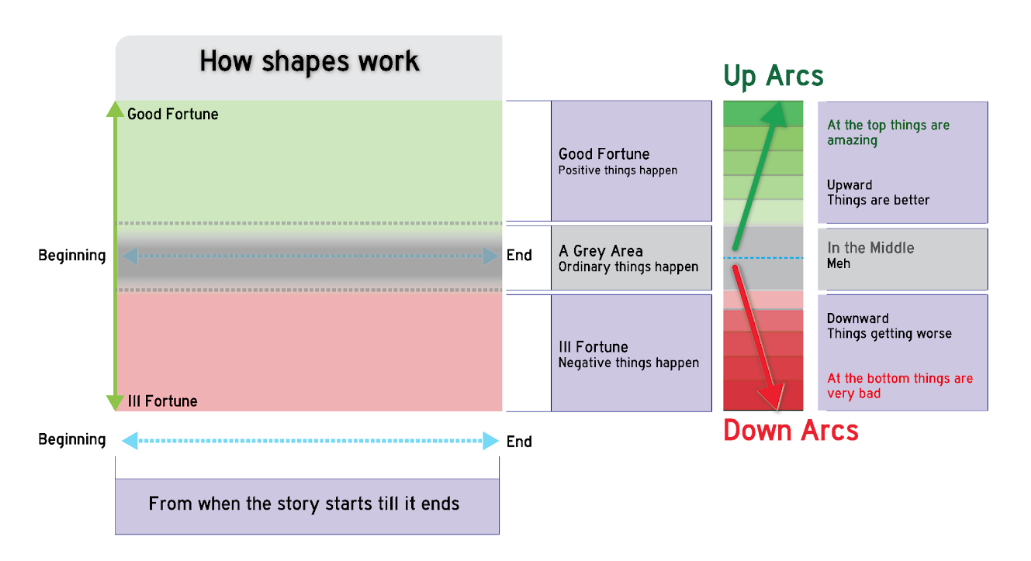
Story shapes are a graphing tool used to plot the life of a protagonist (main character) by tracking their "Good Fortune" or "Bad (ill) Fortune" from the beginning to the end of a narrative. The vertical axis represents the quality of fortune, while the horizontal axis represents time. By plotting the protagonist's journey on this graph, we can visualize the emotional highs and lows of the story, which helps in understanding its structure and impact.
Positive things happen; at the top, things are "amazing". Ordinary events occur in the middle. Negative things happen; at the bottom, things are "very bad".
By understanding these story shapes, writers can craft narratives that resonate emotionally with their audience.

Story Shapes: The Kurt Vonnegut Framework


Use the template to plot your own story shapes and analyze the emotional journey of your characters.


Common Story Archetypes


Archetype

Description

Visual Reference

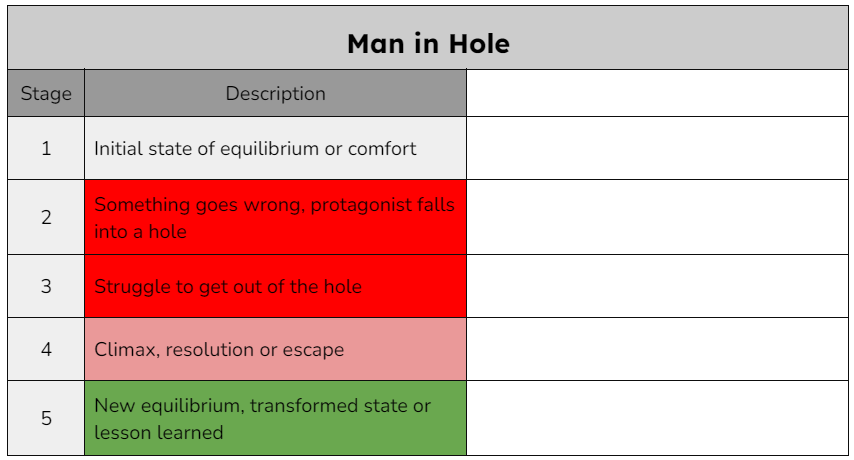
1. Man in a Hole

Starts in comfort, falls into a problem, struggles, and eventually escapes transformed. Story Shapes Graph

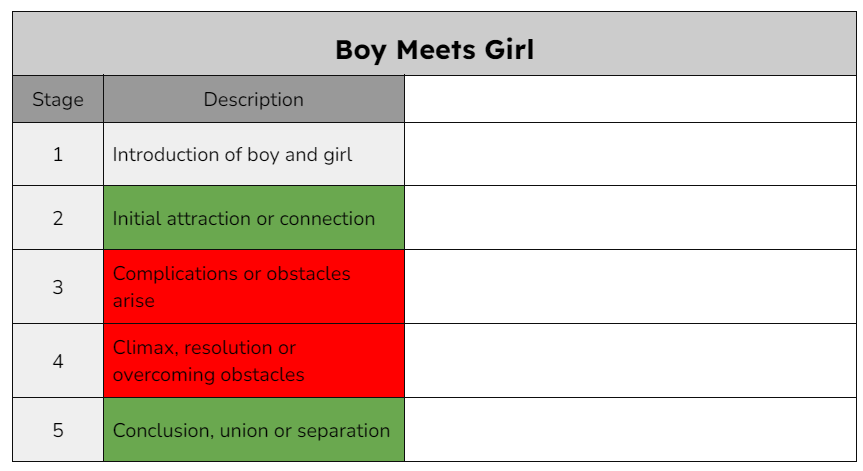
2. Boy Meets Girl

Finds something wonderful, loses it, and works to get it back (union or separation). Story Shapes Graph

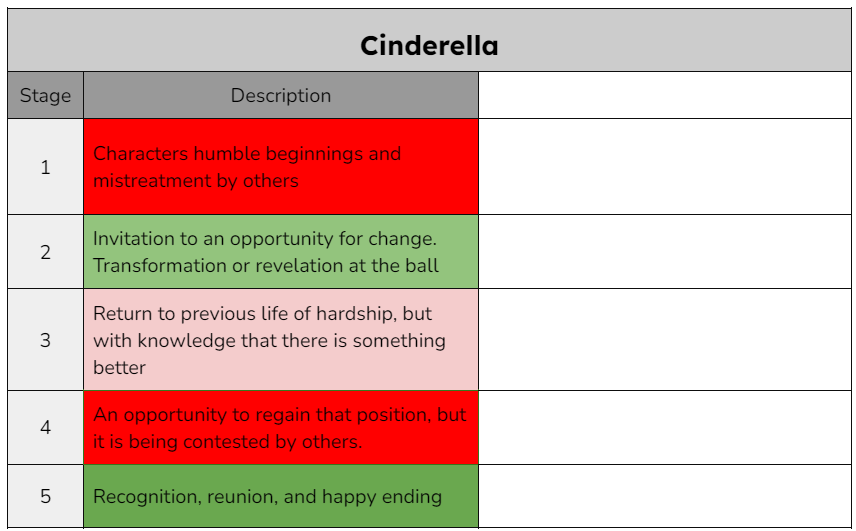
3. Cinderella

Humble beginnings/mistreatment, a rise, a temporary return to hardship, and a final happy ending. Story Shapes Graph

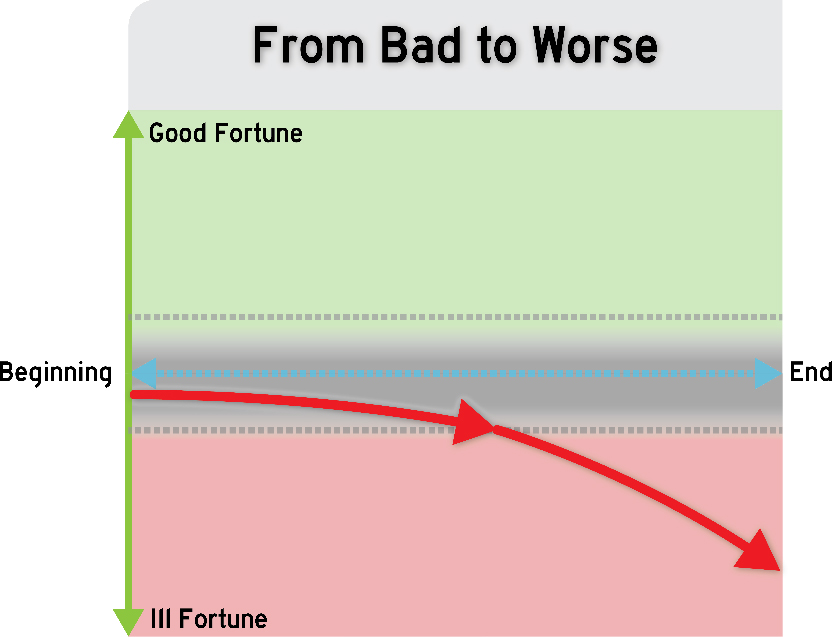
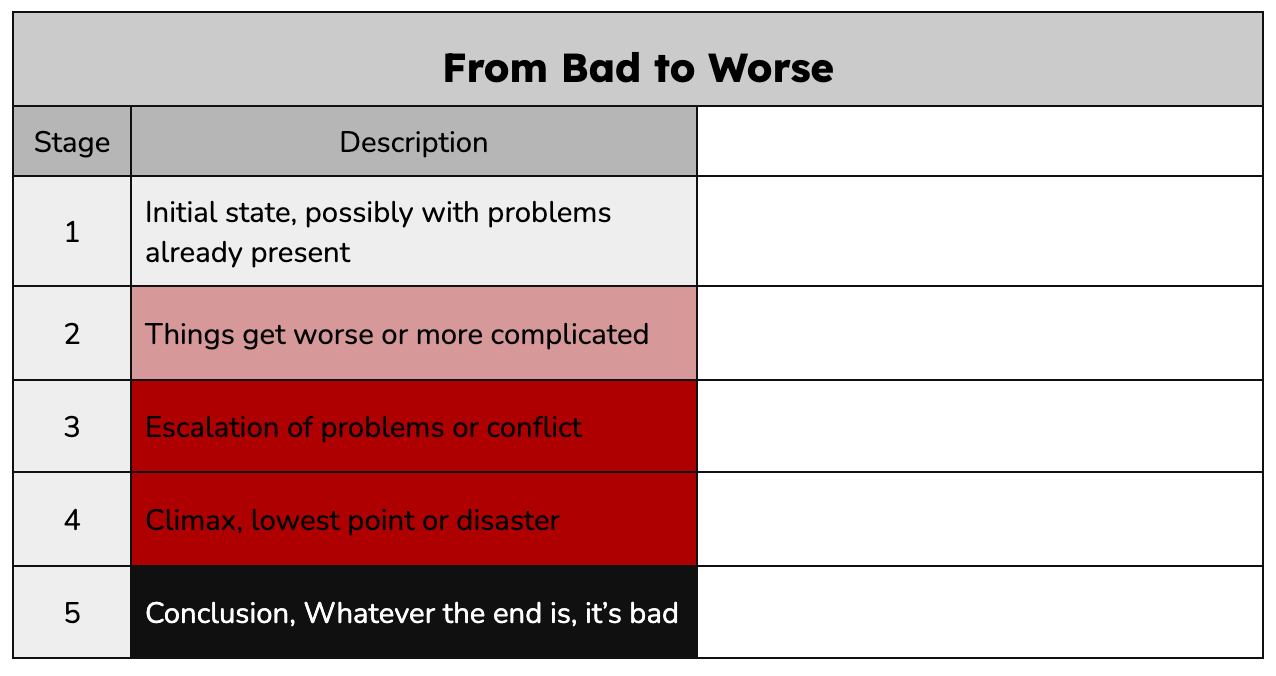
4. From Bad to Worse

Initial struggle escalates into further conflict, ending at a disastrous lowest point. Story Shapes Graph

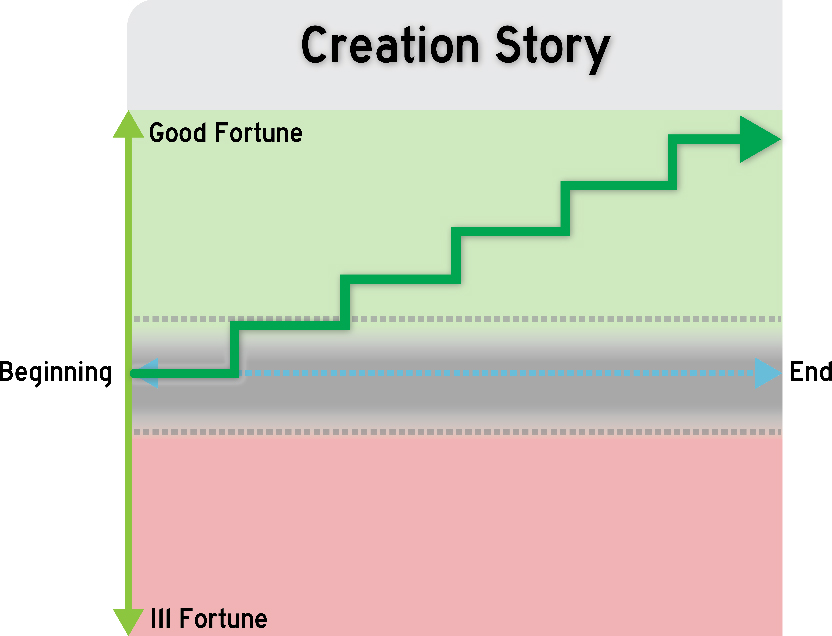
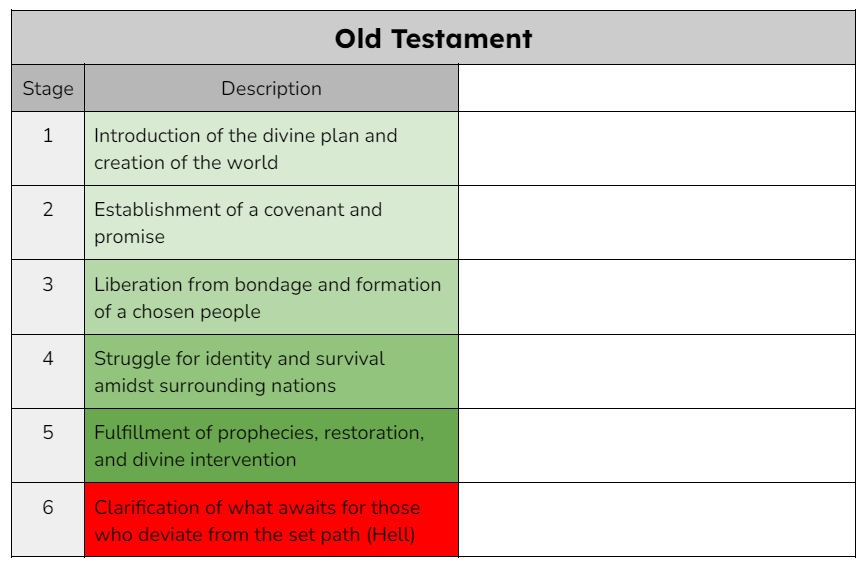
5. Creation Story

Transition from chaos or a void into order and a new world through formation. Creation story visual

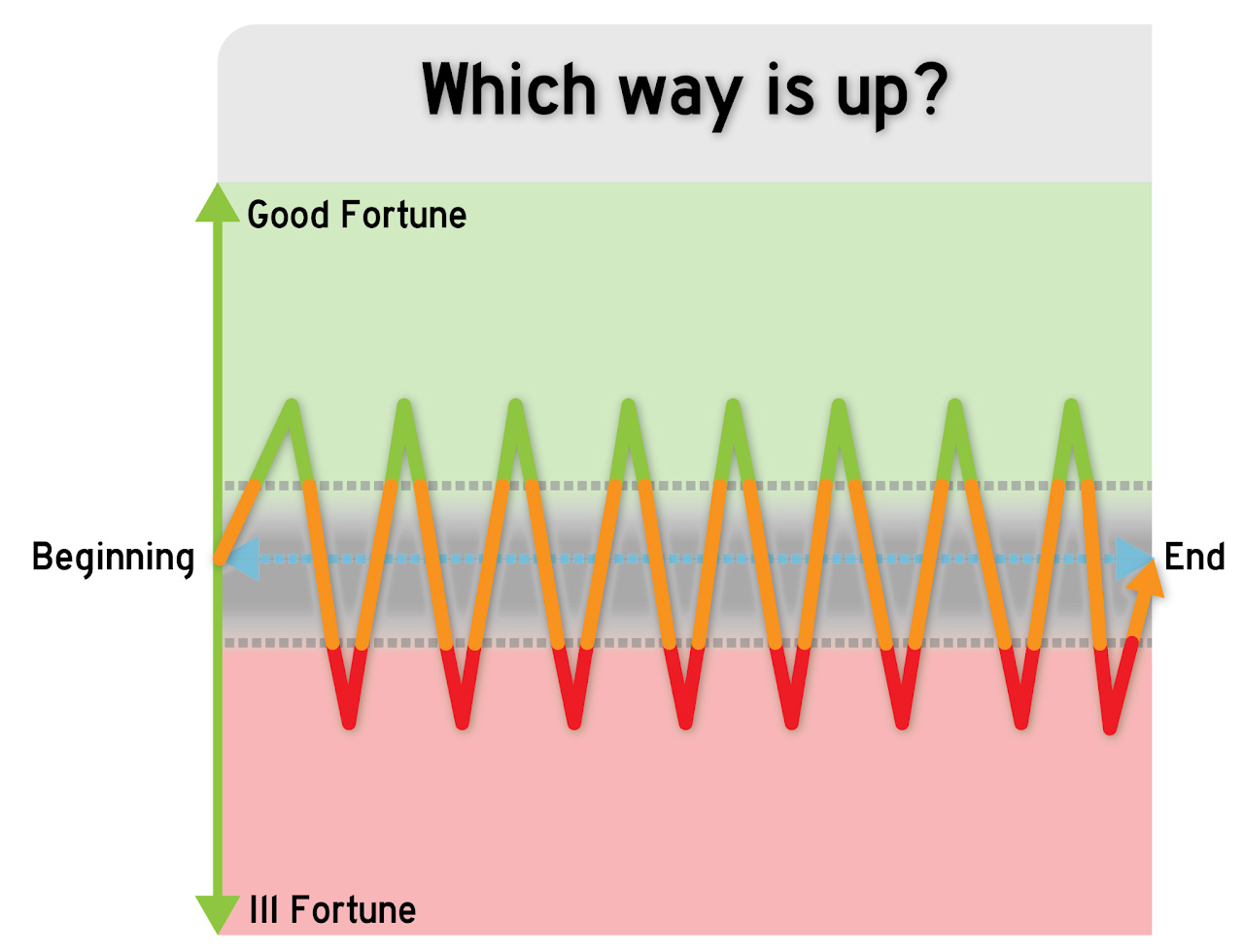
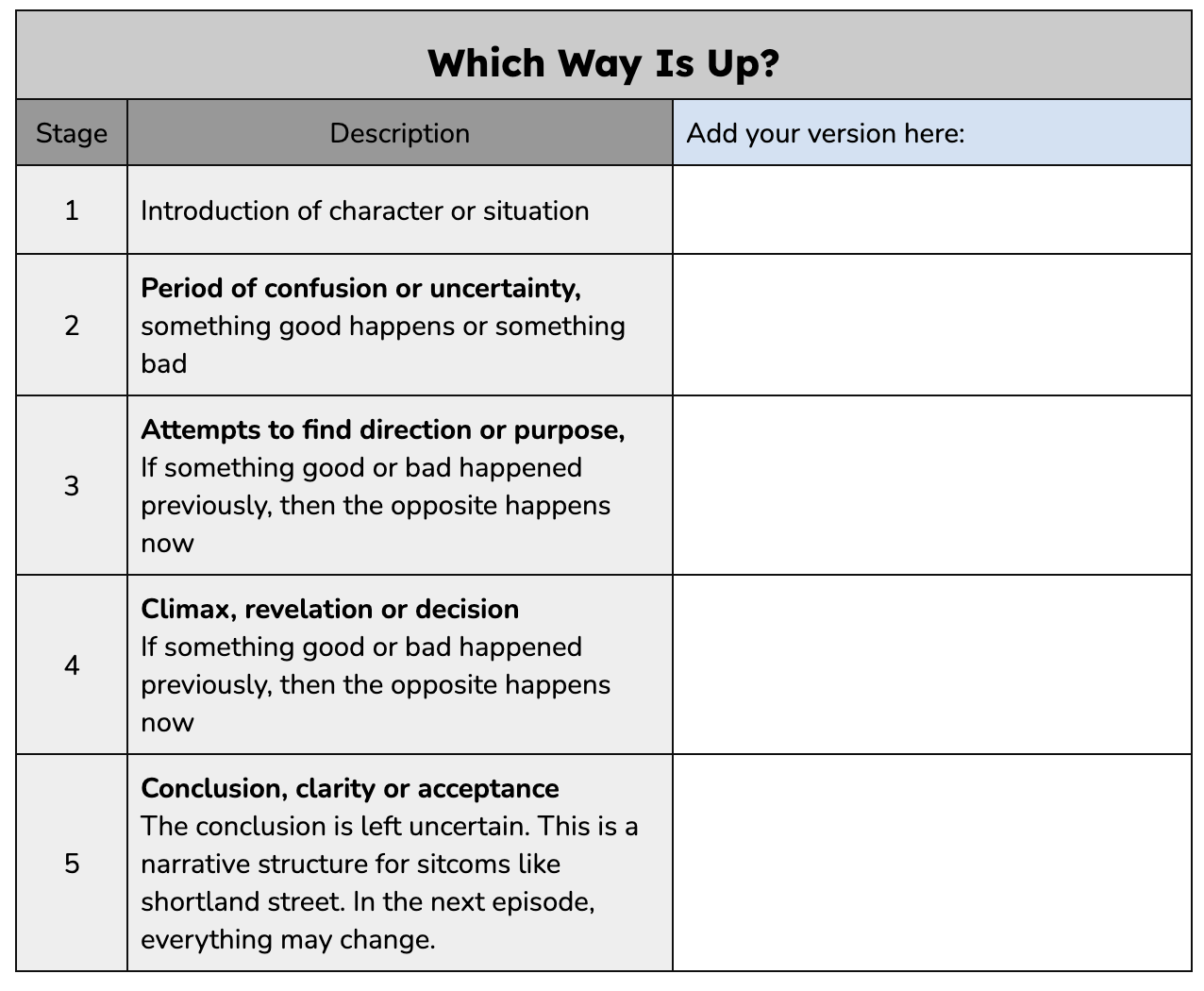
6. Which Way Is Up?

Erratic structure with constant ups and downs; the conclusion remains uncertain. Erratic narrative diagram

Narrative Templates

Download the Template

1. Man in a Hole

Narrative Structure: Man in a Hole

2. Boy Meets Girl

Narrative Structure: Boy Meets Girl

3. Cinderella

Narrative Structure: Cinderella

4. From Bad to Worse

Narrative Structure: From Bad to Worse

5. Creation Story

Narrative Structure: Creation Story

6. Which Way Is Up?

Narrative Structure: Which Way Is Up?