Theme
Theme
Core Idea |
The Theme is the Central Concept or Big Idea of the project. |
How To Use It |
The Theme takes the form of a written explanation. You should refer to it throughout your project. |
In Practice |
In Digital and DVC projects, a Theme is the Central Concept or Big Idea of the project. Themes serve as a decision-making rulebook for every design choice. When you decide on a theme, all of the content should support it. |
Genre vs Theme |
Genres are the categories or types of a story (for example, Romance, Sci-Fi, Thriller) defined by style, setting, and plot conventions. Themes are the underlying central messages or big ideas a story explores (for example, love, betrayal, revenge). Genre is what the story is, while Theme is what the story is about. |
Moodboard
Definition |
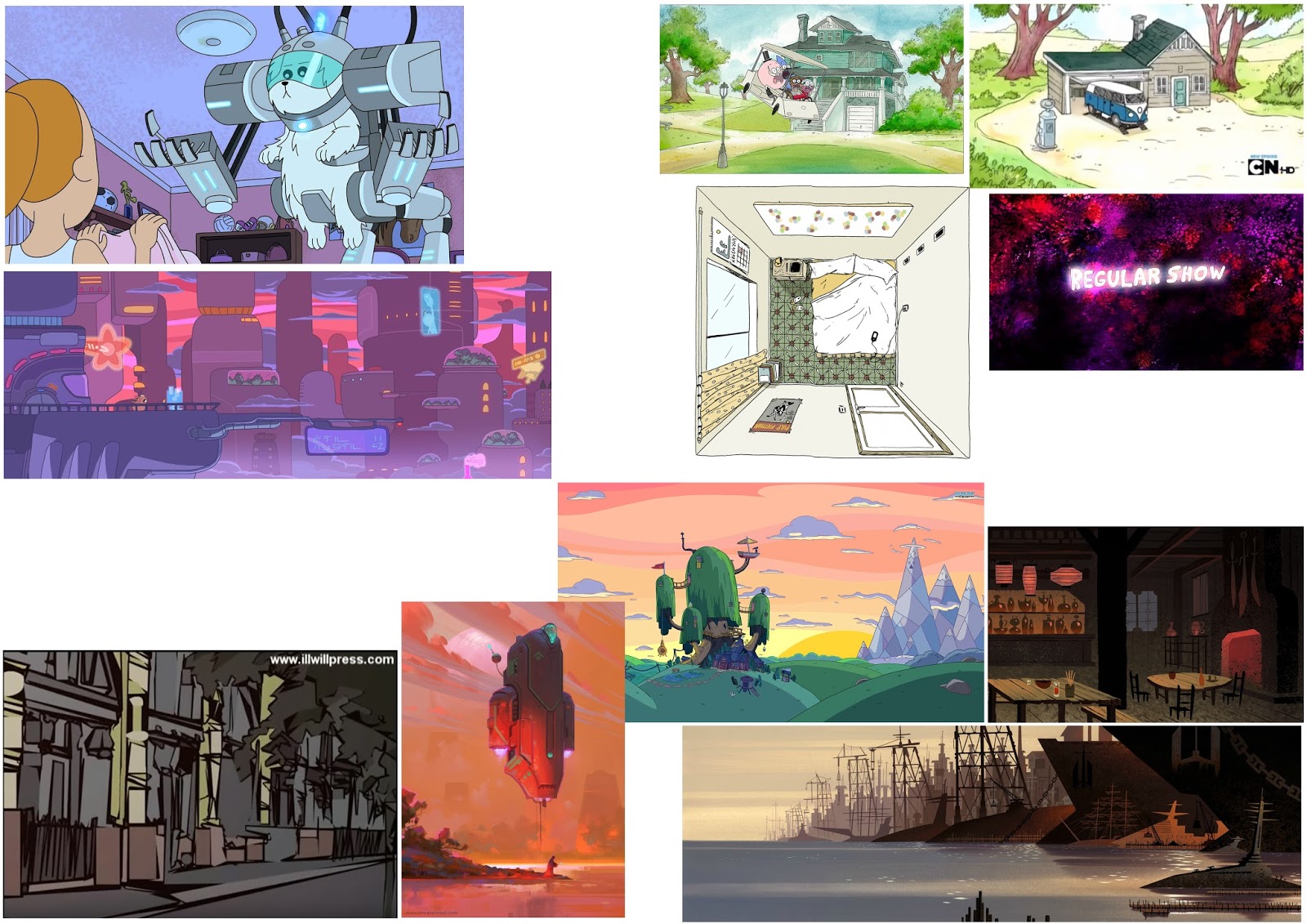
Your Moodboard is a rough visual expression of your Theme. |
Linked Process |
Your Theme is linked to your Moodboard, so it is good practice to develop both parts at the same time. |
Why It Matters |
A theme becomes a guide for a creative. Once you know your theme, you can be selective and choose elements that create visual harmony by ensuring colors, typography, and layouts work together to evoke a specific mood. For a designer, if a feature or aesthetic choice does not reinforce the core message, it is cut. A resonant theme elevates a project from a functional task to a cohesive piece of art by tapping into deep human emotions and experiences. |
Moodboard Goal |
A moodboard is a visual guide that sets the colors, lighting, and overall style of your project. Instead of using random images, it should show a specific atmosphere and clearly explain your creative goal. By organizing these visuals, you demonstrate exactly how you plan to bring your theme to life. |
Key Themes in Architectural Design
Functionalism (Form Follows Function) | The shape and layout of a building should primarily reflect its intended purpose. Decorative elements are stripped away in favor of practicality, efficiency, and usability. |
Sustainability (Green Architecture) | Designing with the environment in mind. This focuses on minimizing ecological impact by using renewable energy, sustainable materials, and designing in harmony with the local climate. |
Minimalism | Stripping a design down to its absolute essential elements. It relies on clean lines, simple geometric forms, and open, uncluttered spaces to create a sense of clarity and calm. |
Organic Architecture | Blending human habitation with the natural world. This theme involves integrating the building seamlessly into its landscape and using natural, flowing shapes rather than rigid grids. |
Material Honesty | Celebrating the raw materials used to construct a building. Instead of hiding structural elements behind paint or plaster, materials like exposed concrete, steel, and raw wood are left visible to show how the building is supported. |
Contextualism | Designing a building to respect and respond to its surrounding environment. The design takes visual and cultural cues from local history, weather, and neighboring structures so it feels like it naturally belongs there. |
Adaptive Reuse | Taking an old, often historic or abandoned building and repurposing it for a completely new use. This theme preserves historical charm while upgrading the interior for modern necessities. |
Deconstructivism | Breaking the traditional rules of structural design. This theme involves manipulating a building's surface to create fragmented, distorted, and unpredictable shapes that challenge our ideas of visual stability. |
Parametric Design | Using computer algorithms and advanced software to dictate the design. This allows architects to create highly complex, sweeping, and dynamic curves that adapt to structural data. |
Phenomenology (Sensory Architecture) | Focusing heavily on the human experience of a space rather than just how it looks. It emphasizes how natural light moves through a room, the acoustics of the space, and the physical texture of the materials. |
Key Themes in Movies
Love | This is the most universal emotion that connects with all audiences. It acts as the heart of a story and is typically categorized as either a romantic or platonic storyline. |
Fear | This theme is the foundation of the horror genre and centers on the feeling of impending doom. It relies heavily on suspense and is broken down into physical, emotional, and situational fear. |
Good vs. Evil | This is a powerful concept where heroes try to save the world and villains try to destroy it. It helps audiences emotionally process the story and works across many genres. |
Death | This theme is often used as a high-stakes obstacle or a plot device that drives resolution. It helps characters and audiences understand identity and purpose. |
Revenge | A highly entertaining and cathartic theme where a protagonist seeks justice or retribution for wrongdoing. |
War | These stories focus on extreme battles for survival, independence, and freedom, placing characters in intense situations with difficult choices and emotional costs. |
Coming of Age | Stories about a character leaving their comfort zone and maturing into adulthood through rites of passage and self-discovery. |
Overcoming Adversity | The classic underdog story where a character challenges the status quo and succeeds after serious hardship. |
The Hero | This theme centers on selfless characters who put others first, showing heroism through action and moral growth. |
Man vs. Machine | A conflict where humans must use unique strengths to overcome technological antagonists, often exploring AI and robotics in science fiction. |
Remorse | This theme explores guilt or regret after violating moral principles, including characters who change and characters who do not. |