Relevant Implications
Understanding Relevant Implications
Relevant implications are the social, ethical, legal, and practical impacts of using digital technologies. Understanding these implications is a key part of the NCEA Level 2 and Level 3 Digital Technologies standards. This knowledge is assessed in both internal and external assessments, so it's important to understand how technology affects individuals, society, and the environment.
When creating digital outcomes like animations, games, or interactive media, you need to think about these implications and how your work might impact others. The following table shows the nine key relevant implications you should consider:
Scroll down to explore each relevant implication in detail with real-world examples from New Zealand and the digital creative industries.
See your Google Classroom for the link to the Relevant Implications document.
All year 12 & 13 Digital Technology Students to complete the entire document in preparation for the External Exam Assessment.
Year 11 students need to complete the 4 of these sections, and add them to their DT assessment document.
| Relevant Implication | Focus Area |
|---|---|
| Privacy | Keeping personal information safe and controlling who can see it |
| Security | Protecting systems and data from damage, theft, or unauthorized access |
| Intellectual Property | Ownership and rights of creative works, copyright, and licensing |
| Social Impact | How technology affects communication, relationships, and communities |
| Ethical Issues | Right and wrong in technology use, fairness, honesty, and responsibility |
| Environmental Impact | Effects of technology on the natural environment and sustainability |
| End Users & Accessibility | Designing technology that everyone can use, including people with disabilities |
| Cultural Impact | How technology affects and reflects culture, including Māori perspectives |
| Legal Issues | Laws and regulations governing technology use and digital content |
| Health and Safety | How technology affects physical and mental health, including safety considerations |
| Aesthetics | The visual and experiential aspects of technology, including design and user experience |
| Functionality | How technology functions and performs its intended tasks, including efficiency and reliability |
Privacy
Privacy is about keeping personal information safe and controlling who can see it. When you use digital technology, you share data like your name, photos, location, and browsing habits. It's important to think about how this information is collected, stored, and used.
✓ Positive Example
The New Zealand Covid Tracer app used QR codes to help track potential Covid-19 exposure. It was designed with strong privacy protections - your data stayed on your phone and was automatically deleted after 60 days. This showed how technology can help public health while respecting privacy.
Animation/Game Dev: Unity and Unreal Engine let game developers choose what telemetry data to share. This respects developer privacy while still helping improve the software. Animation studios like Wētā FX use secure cloud systems where artists control who can access their work files, protecting both company IP and individual artists' creative process.
✗ Negative Example
In 2020, the personal details of thousands of New Zealand students were exposed when an education platform had a data breach. Names, email addresses, and school information were leaked online, showing how poor privacy practices can harm real people.
Animation/Game Dev: In 2014, Sony Pictures Animation was hacked and unreleased films, employee data, and confidential emails were leaked. Artists' personal information and unfinished character designs were exposed. In gaming, many online games collect detailed player behavior data without clearly explaining what's tracked - your playstyle, chat messages, and even voice recordings might be analyzed.
? Interesting Consideration
Smart home devices like Alexa or Google Home are always listening. While this makes them convenient, it raises questions: What if they record private conversations? Who has access to these recordings? Should companies be allowed to use this data to show you ads?
Animation/Game Dev: When you upload your animation to YouTube or your game to Steam, the platform analyzes everything about your content - what's in it, who watches it, how long they stay. They use this to train AI and show ads. Do you own your creative work if a company can use it however they want? What about the metadata in your exported files - it can reveal what software you used, when you made it, and sometimes even your computer's name.
Privacy Resources
- Office of the Privacy Commissioner NZ
Learn about your privacy rights in New Zealand - NetSafe Privacy Guide
Practical tips for protecting your privacy online - CERT NZ
Government advice on cyber security and privacy
Security
Security means protecting digital systems and data from being damaged, stolen, or accessed by the wrong people. This includes using strong passwords, encryption, and security software to keep information safe from hackers and viruses.
✓ Positive Example
New Zealand banks use multi-factor authentication (like a code sent to your phone) when you log in online. This extra security step makes it much harder for criminals to access your money, even if they steal your password.
Animation/Game Dev: Autodesk and Adobe Creative Cloud accounts use two-factor authentication to protect animators' work. Version control systems like Git track every change to project files, so if something breaks or gets corrupted, studios can recover previous versions. This protects years of animation work from being lost to accidents or attacks.
✗ Negative Example
In 2021, Waikato DHB's computer systems were hit by a ransomware attack. Hospital staff couldn't access patient records and had to use pen and paper. Some surgeries were delayed, and it took weeks to fully recover, showing how cyberattacks can affect people's health and wellbeing.
Animation/Game Dev: In 2020, Ubisoft was hacked and Watch Dogs: Legion source code was stolen and leaked online. Animation studios are increasingly targeted by ransomware - attackers encrypt months of rendering work and demand payment. Stolen game accounts are sold on black markets, with players losing characters they've spent hundreds of hours building.
? Interesting Consideration
Biometric security (like Face ID or fingerprint scanners) is super convenient - you don't need to remember passwords. But what happens if this data is stolen? You can't change your fingerprints like you can change a password!
Animation/Game Dev: Always-online DRM (Digital Rights Management) in games like SimCity requires constant internet connection to prevent piracy, but it also means you can't play if servers go down. Blockchain technology is being explored to secure digital art ownership and prove authenticity, but does that level of security justify the technical complexity and environmental cost?
Security Resources
- CERT NZ - Individual Users
Cyber security advice for everyday internet users - NetSafe Online Safety
Stay safe online with practical tips - GCSB Publications
National cyber security guidance
Intellectual Property
Intellectual Property (IP) is about the ownership of creative works - like music, art, writing, inventions, and software. Copyright and licenses control how these works can be used, shared, and modified. It's important to respect creators' rights and give credit where it's due.
✓ Positive Example
Creative Commons licenses let New Zealand artists and creators share their work while keeping some rights. For example, photographer Elyse Childs shares some of her NZ landscape photos under Creative Commons, allowing students and educators to use them freely in projects while still being credited.
Animation/Game Dev: OpenGameArt.org and Kenney.nl provide thousands of Creative Commons game assets - sprites, sounds, 3D models - that student developers can use freely. The Godot game engine is completely open source, meaning anyone can use, modify, and learn from it without paying licensing fees, making game development accessible to everyone.
✗ Negative Example
A New Zealand clothing company was caught copying designs from Māori artists without permission or payment. This was cultural theft and copyright infringement - taking someone's creative work and profiting from it without respecting the creator's rights or cultural significance.
Animation/Game Dev: Steam has been flooded with 'asset flips' - games that just repackage free or cheap assets without adding value. Artists have found their DeviantArt animations traced and used in mobile games without credit. When NFTs became popular, art thieves minted other people's digital artwork as NFTs and sold them, with the real artists receiving nothing.
? Interesting Consideration
AI art generators like Midjourney or DALL-E can create images in seconds. But they're trained on millions of artworks without asking the artists' permission. Is this fair? Who owns the copyright to AI-generated art - the person who typed the prompt, the AI company, or nobody?
Animation/Game Dev: If you generate a game character using AI that was trained on copyrighted artwork, can you copyright your character? Game mods exist in a legal grey area - modders create new content for existing games, but who actually owns it? When fan-made games use Nintendo characters, is it derivative work or copyright infringement?
Intellectual Property Resources
- Intellectual Property Office of NZ
Official information on copyright, trademarks, and patents - Creative Commons Aotearoa NZ
Learn about sharing creative works legally - Copyright Licensing NZ
Understanding copyright in education and media
Social Impact
Technology affects how we communicate, work, learn, and interact with each other. Social impact considers how digital technologies change our relationships, communities, and society. This includes both benefits (like staying connected) and challenges (like cyberbullying or digital addiction).
✓ Positive Example
During the 2011 Christchurch earthquakes, social media helped people find missing loved ones, coordinate rescue efforts, and share important information quickly. The 'Christchurch Earthquake' Facebook page became a vital communication hub when other systems failed.
Animation/Game Dev: During Covid-19 lockdowns, Animal Crossing: New Horizons became a social lifeline - people visited each other's islands, held virtual birthday parties, and stayed connected when they couldn't meet in person. Animated films like Encanto and Coco sparked important conversations about family dynamics and cultural identity. Representation in animation (like Moana) helps people see themselves in stories.
✗ Negative Example
Social media has contributed to increased anxiety and depression among young New Zealanders. Studies show that comparing yourself to others' perfect online lives, dealing with cyberbullying, and fear of missing out (FOMO) can seriously harm mental health.
Animation/Game Dev: Gaming addiction is recognized as a real disorder - some people lose jobs, relationships, and health from excessive gaming. Online gaming communities can be incredibly toxic, with racism, sexism, and harassment driving players away. Crunch culture in game and animation studios forces workers into 80-100 hour weeks before deadlines, destroying work-life balance and causing burnout.
? Interesting Consideration
Remote work became normal during Covid-19. This meant some people could live anywhere in NZ and work for Auckland companies, helping smaller towns grow. But it also meant loneliness for some workers and blurred the line between work time and personal time. Is this change good or bad overall?
Animation/Game Dev: Virtual worlds like VRChat and Roblox are creating entirely new social spaces where people form real friendships and communities. Streaming culture on Twitch and YouTube has made gaming a spectator sport, creating new jobs but also parasocial relationships. Do these digital communities replace or enhance real-world connections?
Social Impact Resources
- NetSafe NZ
Help with online harassment, abuse, and digital wellbeing - Mental Health Foundation NZ
Resources on technology and mental health - RNZ - Tech and Society
News about how technology affects New Zealand society
Ethical Issues
Ethics in technology is about right and wrong - what should we do with technology just because we can? This includes questions about fairness, honesty, respect, and doing no harm. Ethical decisions consider whether technology helps or hurts people and whether it's being used responsibly.
✓ Positive Example
Soul Machines, a New Zealand company, creates digital humans (AI avatars) for customer service. They've developed strict ethical guidelines about transparency - the digital human always tells you it's not real, and it won't manipulate your emotions or try to deceive you.
Animation/Game Dev: The Last of Us Part II included 60+ accessibility features, from audio cues for blind players to simplified controls. Naughty Dog prioritized ethics over profits by making the game playable for everyone. Some indie developers use ethical monetization - one-time purchases instead of exploitative microtransactions, showing you can make money without manipulating players.
✗ Negative Example
Some apps use 'dark patterns' - design tricks that manipulate you into doing things you didn't mean to do, like agreeing to share more data or making purchases. For example, making the 'No' button really small and grey while the 'Yes' button is big and colorful. This is deceptive and unethical.
Animation/Game Dev: Loot boxes in games like FIFA use gambling mechanics targeting children - bright colors, exciting sounds, and randomized rewards that exploit psychological vulnerabilities. Studios force animators into unpaid overtime ('crunch') before deadlines. AI tools are being used to replace voice actors and junior animators, eliminating entry-level jobs in the industry.
? Interesting Consideration
Imagine a dating app that uses AI to write messages for you that are scientifically proven to get responses. Is this ethical? You're being more 'successful' but you're not being yourself. At what point does technology helping you become technology deceiving others?
Animation/Game Dev: Deepfake technology can put anyone's face in a film without their consent - Disney could digitally resurrect dead actors. AI voice actors can mimic real voice actors perfectly. Is this innovation or theft? Games use psychological tricks (variable rewards, FOMO, social pressure) to keep you playing and spending money. When does game design become manipulation?
Ethical Issues Resources
- Algorithm Charter NZ
How NZ government uses algorithms ethically - Data Ethics Framework
Government guidance on ethical data use - Institute of IT Professionals NZ
Professional ethics in technology
Environmental Impact
Technology affects our environment in many ways. Making devices requires mining rare materials, manufacturing uses energy, and old electronics create toxic e-waste. But technology can also help solve environmental problems through renewable energy, efficient systems, and better monitoring.
✓ Positive Example
DOC (Department of Conservation) uses drones and AI to monitor endangered species like kākāpō and track predators in remote areas. This technology helps protect New Zealand's unique wildlife more effectively than traditional methods while using less fuel and resources than helicopter surveys.
Animation/Game Dev: Cloud-based rendering services let small studios access powerful computers only when needed, reducing the need for everyone to own energy-hungry render farms. Digital distribution of games eliminates plastic cases, discs, and shipping emissions - downloading a game has a much smaller carbon footprint than manufacturing and transporting physical copies worldwide.
✗ Negative Example
Data centers that store cloud data use massive amounts of electricity and need constant cooling. Streaming one hour of Netflix has a carbon footprint. While it seems 'digital' and clean, our increasing use of online services is actually contributing to climate change through huge energy consumption.
Animation/Game Dev: Rendering a Pixar film can take millions of CPU hours, consuming enormous amounts of electricity. A single high-end gaming PC running 24/7 uses as much power as 3 refrigerators. Game updates and patches - sometimes 50GB+ downloads - multiply across millions of players, requiring massive data center energy. The environmental cost of our entertainment is invisible but real.
? Interesting Consideration
Electric vehicles are better for the environment than petrol cars, right? But the batteries require lithium mining, which can damage ecosystems and use lots of water. Plus, if the electricity to charge them comes from coal power plants, are they really that much better? The answer isn't simple.
Animation/Game Dev: NFTs and blockchain games like Axie Infinity had massive carbon footprints - one NFT transaction could use as much energy as a month of electricity in an average home. Some games reward players with cryptocurrency, encouraging energy-intensive mining. Is playing games to earn crypto worse for the environment than traditional gaming?
Environmental Impact Resources
- Ministry for the Environment
NZ environmental policies and tech initiatives - Computer Recycling NZ
How to responsibly dispose of e-waste - DOC Technology & Innovation
How tech helps conservation in NZ
End Users & Accessibility
When designing technology, you need to think about all the different people who will use it - their abilities, ages, cultures, and needs. Accessibility means making technology that everyone can use, including people with disabilities. Good design considers diverse end users from the start.
✓ Positive Example
The New Zealand Government's digital services must meet Web Accessibility Standards. For example, the Covid-19 vaccine booking website included screen reader support for blind users, high contrast options, and simple language. This meant more Kiwis could easily book their vaccinations.
Animation/Game Dev: The Last of Us Part II won awards for its 60+ accessibility features including audio cues for blind players, customizable controls for players with limited mobility, and text-to-speech. Colorblind modes are now standard in most games. Subtitles in animated films help deaf viewers and language learners. Microsoft's Adaptive Controller lets people with disabilities play games using any inputs they can control.
✗ Negative Example
A major bank's app update removed the large text option and changed to a design that only worked well on new phones. Older customers and those with vision impairments struggled to use mobile banking, forcing them to visit physical branches or use less secure methods.
Animation/Game Dev: VR gaming makes many players motion sick, and there's no real solution - the technology just doesn't work for everyone's brains. Many indie games lack subtitles, excluding deaf players. High-end games requiring expensive graphics cards create a barrier - if you can't afford a $2000 PC, you can't play. Fast-paced competitive games often have no accommodations for slower reaction times.
? Interesting Consideration
Voice assistants like Siri work great if you have a standard English accent, but they often struggle with Kiwi accents and don't understand te reo Māori well. Should technology companies be required to ensure their products work equally well for all New Zealanders' ways of speaking?
Animation/Game Dev: AI tools like DALL-E and ChatGPT are helping people with disabilities create art and tell stories they couldn't before - someone who can't draw can now create game art. But does making creation 'easier' devalue the work of artists who spent years learning their craft? Where's the balance between accessibility and artistic skill?
Accessibility & End Users Resources
- NZ Government Accessibility Standards
How to design accessible digital services - Accessibility Central NZ
Resources for creating accessible technology - Able Net NZ
Information on assistive technology
Cultural Impact
Technology affects and reflects culture - how it's shared, preserved, and expressed. In Aotearoa New Zealand, this includes considering Māori culture, Treaty of Waitangi principles, and protecting cultural knowledge (mātauranga Māori). Cultural impact asks: whose culture is represented in technology? Whose is ignored or misrepresented?
✓ Positive Example
Te Papa Museum created a digital collection that makes thousands of taonga (cultural treasures) accessible online. Māori communities worldwide can now view and study these items, and the museum worked with iwi to ensure sensitive items are shown appropriately. Technology helped preserve and share cultural heritage.
Animation/Game Dev: Disney consulted extensively with Pacific Island communities when making Moana, bringing cultural advisors into the animation process. Games like Never Alone were developed in partnership with Alaska Native communities to share their stories authentically. When studios prioritize cultural consultation, representation in animation and games can celebrate rather than exploit cultures.
✗ Negative Example
A clothing brand used AI to generate 'Māori-style' designs and sold them without consulting Māori communities. The designs misused sacred symbols and showed no understanding of their meaning. This demonstrated how technology can enable cultural appropriation and disrespect when used without cultural awareness.
Animation/Game Dev: Video games often reduce indigenous cultures to stereotypical 'tribal' characters with feathers and war paint, ignoring actual cultural diversity. Early Disney films like Peter Pan and Pocahontas featured offensive cultural caricatures. Whitewashing in animation - casting white actors for non-white characters, or making characters appear more European - erases cultural identity and representation.
? Interesting Consideration
Google Translate now includes te reo Māori, which helps more people learn the language. However, AI translation sometimes gets cultural context wrong - direct translations might be technically correct but culturally inappropriate. Can technology ever truly understand cultural nuance, or will human translators always be necessary for cultural accuracy?
Animation/Game Dev: AI translation in games can now instantly translate dialogue into dozens of languages, making games globally accessible. But it misses cultural references, humor, and context. A global game might be successful everywhere but feel generic and culturally bland nowhere. Do we prioritize reach over cultural authenticity in storytelling?
Cultural Impact Resources
- Te Papa Tongarewa
Digital access to New Zealand's cultural collections - Karaitiana Taiuru's Blog
Māori perspectives on digital technology - Te Reo Māori Digital Resources
Technology supporting te reo
Legal Issues
Laws regulate how technology can be used and what you can and can't do online. This includes laws about privacy, cybercrime, harmful content, consumer rights, and data protection. Legal issues help protect people but also raise questions about freedom, enforcement, and keeping up with rapidly changing technology.
✓ Positive Example
The Harmful Digital Communications Act (2015) made serious cyberbullying illegal in New Zealand. If someone posts something online to deliberately harm you, they can face real legal consequences including fines or even prison. This law has helped protect many young people from online abuse.
Animation/Game Dev: ESRB and PEGI ratings legally protect children from inappropriate game content, requiring stores to check age before selling mature-rated games. Copyright law (DMCA) protects animators and game developers from having their work stolen and resold. These laws give creators legal recourse when their work is copied or used without permission.
✗ Negative Example
In 2019, after the Christchurch mosque attacks, videos of the tragedy spread rapidly online. New Zealand's existing laws weren't strong enough to stop overseas companies from hosting this content. It took international cooperation and new approaches to get it removed, showing how laws can struggle to keep pace with global digital technology.
Animation/Game Dev: Copyright strikes on YouTube can destroy speedrunning and Let's Play channels - people playing games get hit with takedowns even though their content is transformative. Nintendo is notorious for this. Legal battles over used game sales and digital ownership mean when you 'buy' a digital game, you don't actually own it - the company can revoke access anytime.
? Interesting Consideration
Self-driving cars will eventually be on New Zealand roads. But if a self-driving car crashes, who's legally responsible - the person in the car who wasn't driving? The car company? The software programmers? Our current laws don't clearly answer this question because they were written for human drivers.
Animation/Game Dev: If AI generates a game character or animation, who owns the copyright? The person who wrote the prompt? The AI company? The artists whose work trained the AI? Current laws weren't written for this. What about game mods - extensive fan-made modifications? Are they fair use or copyright infringement? Do streamers need licenses to broadcast games?
Legal Issues Resources
- NZ Legislation
Search New Zealand laws including tech-related laws - NetSafe - The Kit
Information on digital rights and laws in NZ - Community Law - Computers & Internet
Free legal information about technology - Classification Office
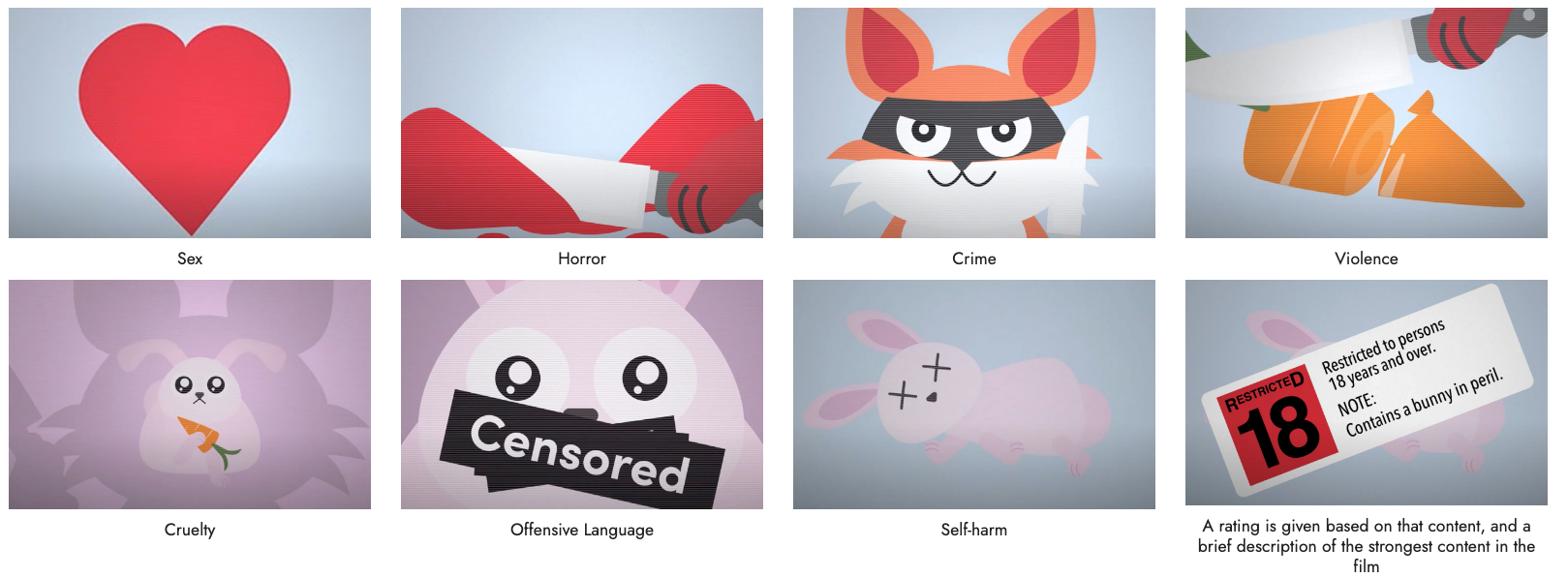
Laws about objectionable digital content
Health and Safety
Health and safety refers to how technology can protect people from physical harm, mental stress, and unhealthy environments. It includes safe device use, online wellbeing, ergonomic design, cybersecurity, and reducing risks caused by machines or digital systems.
✓ Positive Example
Wearable health devices such as smartwatches can detect irregular heart rates, track exercise, and encourage healthier habits. These technologies can warn users of possible medical issues early.
Animation/Game Dev: Motion capture studios use safety harnesses, padded floors, and ergonomic workstations to reduce injuries during recording sessions. Modern game studios also focus more on reducing “crunch culture” (extreme overtime), improving staff mental health and reducing burnout.
✗ Negative Example
Poor posture from long periods on computers can lead to back pain, eye strain, and repetitive strain injuries. Many workers and students suffer health issues because digital technology is used for long hours without proper breaks or workstation setup.
Social media overuse has also been linked to anxiety, sleep disruption, and reduced self-esteem, especially among young people.
Animation/Game Dev: In some game studios, workers have faced months of compulsory overtime before major releases. Long hours can cause exhaustion, stress, family strain, and declining mental health. VR gaming can also cause dizziness or motion sickness for some players.
? Interesting Consideration
Self-driving cars will eventually be on New Zealand roads. But if a self-driving car crashes, who's legally responsible - the person in the car who wasn't driving? The car company? The software programmers? Our current laws don't clearly answer this question because they were written for human drivers.
Animation/Game Dev: As virtual reality becomes more realistic, should developers be responsible if intense horror games cause panic attacks, injuries, or trauma while players are immersed?
Aesthetics
Aesthetics refers to how technology looks, sounds, and feels to users. Good aesthetics can make products attractive, enjoyable, and easier to use. It includes visual design, style, branding, user experience, and emotional appeal.
✓ Positive Example
The success of products like the Apple Inc. iPhone shows how powerful design aesthetics can be. Sleek shapes, clean interfaces, and premium materials helped make smartphones desirable as well as functional. Well-designed websites with clear colours, readable fonts, and intuitive layouts are easier for people to trust and use.
Animation/Game Dev:Games like The Legend of Zelda: Breath of the Wild became highly praised partly because of their visual style, atmosphere, and artistic world design. Strong aesthetics can create emotional connection and memorable experiences.
✗ Negative Example
Some technology focuses so heavily on appearance that practicality suffers. Very thin laptops or phones may look modern but can overheat, break easily, or have poor battery life.
Poorly designed websites with cluttered layouts and confusing colours can frustrate users and reduce accessibility.
Animation/Game Dev: Some games prioritise ultra-realistic graphics over gameplay quality. A visually stunning game may still fail if controls, story, or performance are weak.
? Interesting Consideration
Should public technology always prioritise beauty? For example, should hospitals, government apps, or school systems spend extra money on visual polish, or focus only on function and affordability?
Animation/Game Dev: If AI can instantly generate beautiful art styles, will audiences value human-made animation more, or simply choose whatever looks best?
Functionality
Functionality refers to how well technology performs its intended purpose. A product may look impressive, but if it does not work reliably, efficiently, or meet user needs, it has poor functionality.
✓ Positive Example
Online banking apps allow people to transfer money, pay bills, and manage accounts quickly from anywhere. Their success comes from solving real problems efficiently.
GPS navigation systems are highly functional because they help users reach destinations faster and avoid traffic.
Animation/Game Dev:Minecraft became hugely successful because its functionality allowed players to build, explore, and modify worlds easily. Its mechanics created endless possibilities even with simple graphics.
✗ Negative Example
Some smart appliances add unnecessary features that users rarely need. For example, a fridge with a complicated touchscreen may be less useful than a normal reliable fridge if the software crashes.
Apps that constantly freeze, drain battery life, or require many steps for simple tasks have poor functionality.
Poorly designed websites with cluttered layouts and confusing colours can frustrate users and reduce accessibility.
Animation/Game Dev: A game may have beautiful graphics but fail because of bugs, server crashes, long loading times, or confusing controls. Players often abandon games that do not function smoothly.
? Interesting Consideration
As more devices become “smart,” are we improving functionality or just adding complexity? Does every object really need internet access?
Animation/Game Dev: If AI begins designing levels, quests, or mechanics automatically, could it improve game functionality through data-driven design—or make experiences feel repetitive and soulless?